I’ve seen some wild things in my years covering the insurance world, but every now and then, a story comes along that makes you sit up and say, "Whoa." This is one of those stories.
We’ve all been there, right? A client has a major claim—maybe a fire, a flood, or in this case, a massive hailstorm. The numbers are big, the stakes are high, and things get tense between the policyholder and the insurance company. It’s a tale as old as time.
But what if the real villain in the story isn't who you think it is? What if the third party brought in to help—the contractor—is the one actually stirring the pot? That’s exactly what a jury found in a recent case that started as a $1 million hail claim and ended with a nearly $2 million verdict... against the contractor.
Let's unpack this, because it's a fascinating and important lesson for everyone in our industry.
It All Started with a Simple Hail Claim
Okay, maybe "simple" isn't the right word when you're talking about over a million dollars in damages. But the setup was pretty standard. A church got hammered by hail and filed a claim with its insurer, Church Mutual Insurance Company.
As you can imagine, a claim of this size involves a lot of back-and-forth. Engineers, adjusters, and contractors all get involved to assess the damage and figure out the true cost of repairs. The church and Church Mutual were in the middle of this process, trying to come to an agreement.
Somewhere along the line, things went south. The dispute escalated, and a lawsuit was filed against Church Mutual. On the surface, it looked like a classic dispute: the policyholder believes they're owed more, and the insurer has a different number. But the insurer’s legal team noticed something else was going on behind the scenes. They believed a third party was actively getting in the way, and they decided to point the finger not just in defense, but in offense.
Here's Where the Script Gets Flipped
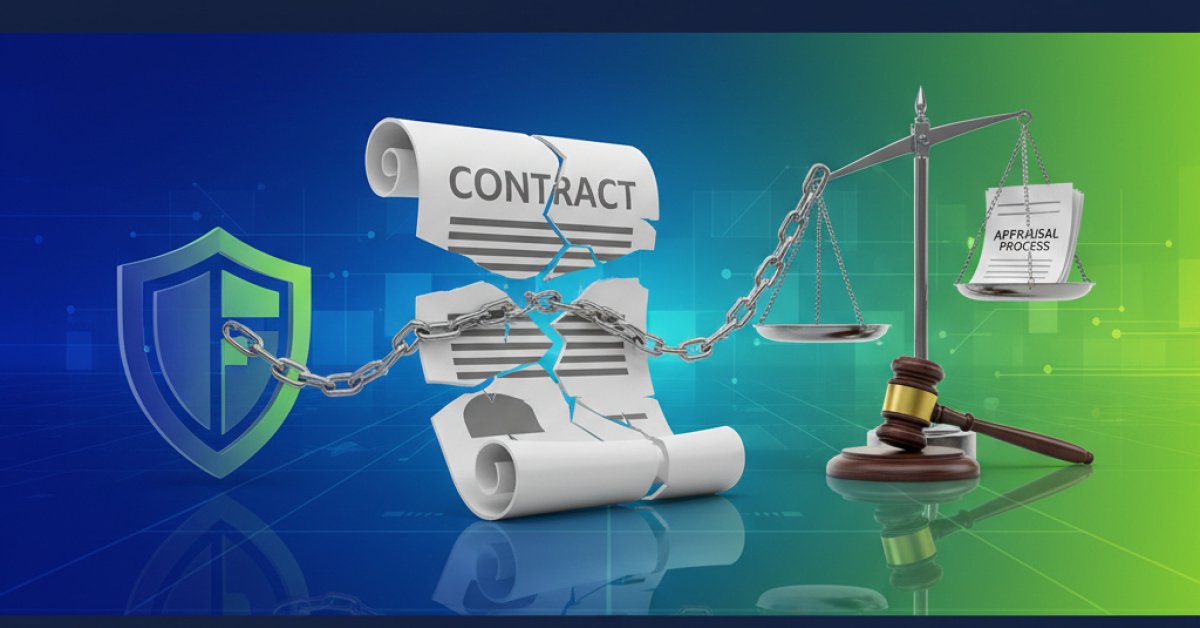
This is the part that’s so interesting. Instead of just defending against the church's lawsuit, the insurance company’s attorneys filed a counterclaim. But they didn't just counter the church—they brought the contractor into the lawsuit, accusing them of something called "tortious interference with a contract."
I know, that sounds like a stuffy legal term. But stick with me, because it’s the entire key to this case.
Essentially, Church Mutual’s argument was this: "Hey, we have a contract—an insurance policy—with our client, the church. We were trying to honor that contract, but this contractor intentionally and improperly got in the middle of our relationship and blew everything up."
The jury listened to all the evidence and agreed. They found that the contractor had, in fact, intentionally interfered with the insurance contract, and they slapped them with a verdict that could total nearly $2 million. The original lawsuit against the insurance company? It fizzled. The spotlight turned directly onto the contractor.
So, What on Earth is "Tortious Interference"?
Let’s break this down in plain English, because it’s a concept we should all understand.
Think of it like this: You and your business partner have a great working relationship (a contract). You trust each other and have a system for getting things done. Now, imagine a third person comes along and starts whispering in your partner's ear, telling them you're cheating them, that they should demand more money, and that they shouldn't talk to you directly anymore. This person's goal is to drive a wedge between you for their own benefit.
That’s basically tortious interference. It’s when a third party, who isn't part of the contract, knowingly and intentionally meddles in that contract and causes harm.
For a tortious interference claim to stick, you generally have to prove a few things:
- A valid contract existed. (Easy here: the insurance policy.)
- The third party knew about the contract. (The contractor obviously knew the church had an insurance policy.)
- The third party intentionally interfered in a way that caused a breach. (This was the core of the argument—that the contractor's actions pushed the relationship to a breaking point.)
- Damage was caused as a result. (The initial claim dispute spiraled into an expensive, time-consuming lawsuit.)
The jury decided the contractor checked all those boxes. Their actions weren't just aggressive business tactics; they crossed a legal line and sabotaged the relationship between the insurer and the insured.
What's the Big Takeaway Here?
Honestly, this verdict is a pretty big deal. For years, the narrative has often been a simple David vs. Goliath story: the policyholder vs. the big, bad insurance company. And sometimes, that's fair. But this case shines a massive spotlight on the role that third parties, like contractors or even public adjusters, can play in escalating a claim.
It sends a clear message: Your job as a contractor is to scope the damage and perform the repairs. It is not your job to practice law, interpret policy, or intentionally drive a wedge between an insurer and their client for your own gain.
For insurance professionals, this case is a powerful reminder to document everything. If you suspect a third party is overstepping, creating conflict, or preventing you from working directly with your policyholder, you need to have a record of it. It shows that insurers have legal options when they believe someone is acting in bad faith to inflate a claim or cause a dispute.
And for property owners? This is a cautionary tale. Be very, very careful about who you hire. A good contractor will work with you and your insurance company to get the job done right. A bad one might see your claim as a blank check and create a warzone to cash in, leaving you stuck in the middle of a legal battle you never wanted.
At the end of the day, an insurance claim is supposed to be a collaborative process to make the policyholder whole again. When someone intentionally poisons that process, this case proves there can be some very expensive consequences. It’s a story we’ll be talking about for a long time.