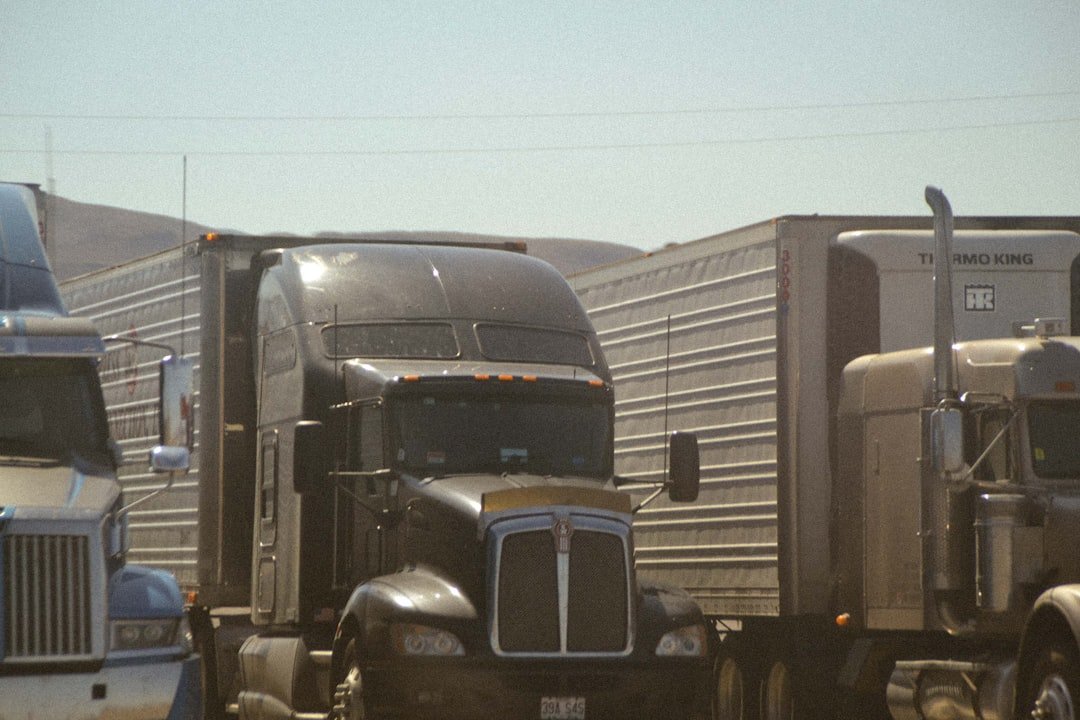
Let’s be honest for a second. The words “commercial auto insurance renewal” probably don’t fill you with a warm, fuzzy feeling. More likely, it’s a mix of dread and frustration as you brace for yet another rate hike. It feels like these costs are on a runaway train, and you’re just stuck paying for the ride.
I see it every day. Business owners feel like they’re doing everything right, but their premiums just keep climbing. And you’re not wrong—the industry has been hit hard by what we call “nuclear verdicts,” rising repair costs, and a whole host of other factors that are pushing losses through the roof.
But here’s the thing: you’re not powerless. While we can’t control the entire market, we can absolutely take control of our own slice of it. It’s about shifting from a reactive mindset (“Oh no, the bill is here”) to a proactive one (“Here’s what we’re doing to be a better risk”). And it really boils down to three key areas.
It All Starts with Who’s Behind the Wheel
Think about it. You’re handing someone the keys to a massive, expensive piece of equipment—basically a multi-ton billboard for your company—and sending them out on public roads. The single most important decision you can make to control your risk is choosing who gets those keys.
Too often, businesses in a hiring crunch focus on just one thing: "Do they have the right license?" That’s the bare minimum. We need to go deeper.
Digging into the Driving Record
The Motor Vehicle Record (MVR) is your best friend here. It’s the official story of a driver’s history on the road. You’re not just looking for major violations like DUIs, but also for patterns. Does this person have a string of speeding tickets? A few fender-benders? These little things paint a picture of their attitude toward safety.
A clean MVR is great, but an MVR with a few minor dings from years ago isn’t necessarily a deal-breaker. What you’re looking for is a recent history of responsible driving.
More Than Just a Record Check
Beyond the official documents, it’s about the person. During the interview, ask them about safety.
- "Tell me about a time you had to handle a tricky situation on the road."
- "What's your process for a pre-trip inspection?"
- "How do you handle pressure from dispatch to make a deadline when conditions are bad?"
Their answers will tell you a lot about whether they have a "safety-first" mindset or a "get it done at all costs" attitude. And believe me, you want the former. Investing a little more time upfront to find the right driver can save you from a catastrophic claim down the road.
Your Co-Pilot is a Computer (And That's a Good Thing)
I know, I know. The idea of "technology" in trucks can sometimes get a skeptical eye-roll from seasoned drivers. They might see it as Big Brother or a lack of trust. But if we frame it correctly, it’s one of the most powerful tools we have for keeping people safe and costs down.
We’re mainly talking about two things here: telematics and cameras.
Telematics: The Story the Data Tells
Telematics is just a fancy word for the little box that tracks how a vehicle is being operated. It’s not about spying; it’s about coaching. It gives you objective data on things like:
- Hard braking events
- Rapid acceleration
- Speeding
- Sharp cornering
Imagine one of your drivers consistently has hard-braking events at the same intersection every day. That’s not a "bad driver" problem; it’s a coaching opportunity! It probably means they’re following the car in front too closely. A quick, positive conversation backed by that data can correct the behavior before it leads to a rear-end collision. It turns a "you always..." argument into a helpful, "hey, let's look at this..." conversation.
Cameras: The Undeniable Witness
Dashcams, especially outward-facing ones, are becoming non-negotiable. We’ve all seen the crazy videos of accidents where it’s impossible to tell who was at fault. Well, a camera solves that problem instantly.
I’ve seen it happen: a car cuts off one of your trucks, slams on the brakes, and causes an accident. Without video evidence, it’s often your driver’s word against theirs, and juries tend to sympathize with the person in the smaller vehicle. A simple video clip can prove your driver did everything right, potentially saving you from a massive, fraudulent claim. It’s your best, and cheapest, witness.
An Ounce of Prevention is Worth a Ton of Steel
This last one might seem obvious, but it’s amazing how often it gets overlooked when things get busy. A well-maintained vehicle is a safe vehicle. Period.
We’re not just talking about following the manufacturer's recommended service intervals. We’re talking about creating a culture where vehicle health is a top priority every single day.
This starts with a rock-solid pre-trip and post-trip inspection process. And I don’t mean a driver just ticking boxes on a form. They need to actually get out, walk around, and look. Are the tires properly inflated? Are the brakes responding correctly? Are all the lights working?
A simple tire blowout on a passenger car is an inconvenience. On a fully loaded commercial truck, it can be a catastrophic, multi-vehicle event. The same goes for brake failure or a steering issue. These are the kinds of accidents that lead to those "nuclear" verdicts we talked about earlier.
Keeping meticulous maintenance records is also key. If you are ever pulled into a lawsuit, being able to produce a detailed history of service and inspections shows that you are a responsible company that prioritizes safety. It demonstrates you did everything in your power to prevent that vehicle from failing.
So, when you look at that next renewal, don’t just see it as a bill you have to pay. See it as a report card on your risk management. By focusing on who you hire, using simple tech to help them be better, and making sure your equipment is in top shape, you’re not just trying to lower your insurance costs. You’re building a safer, stronger, and more resilient business. And that’s something you can’t put a price on.