When you think of the word "racketeering," what comes to mind? Probably old gangster movies, right? Men in pinstripe suits, shady backroom deals, maybe even the RICO Act being thrown around in a courtroom drama.
What you probably don't think of is a fender bender involving an Uber or a FedEx truck. But a wild case unfolding in Pennsylvania is connecting those exact dots, and honestly, it’s one of the most interesting insurance stories I’ve seen in a while.
A federal judge just gave two corporate giants, Uber and FedEx, the go-ahead to sue a Philadelphia law firm and a network of medical providers for, you guessed it, racketeering. It’s a bold move, and it shines a massive spotlight on a problem that quietly costs all of us money: organized insurance fraud.
So, What’s This Lawsuit Actually About?
Let’s break down the story, because it reads like a script. According to the lawsuit filed by Uber and FedEx, there was a pretty sophisticated system in place.
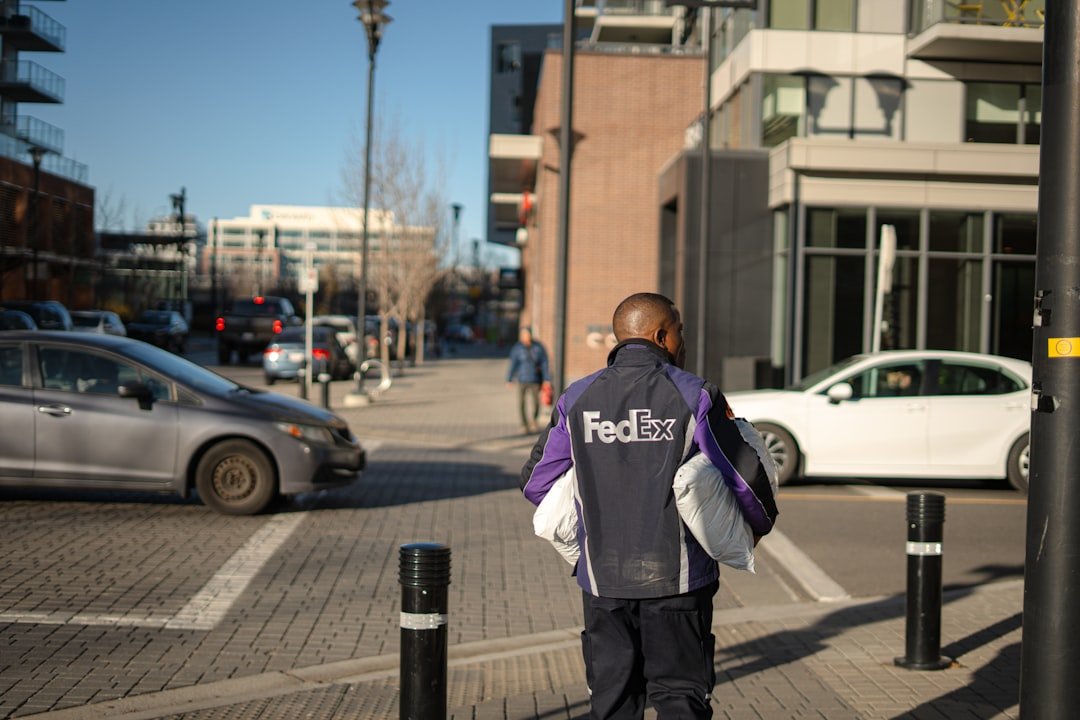
Imagine this: A FedEx truck or a car driving for Uber gets into a minor accident. We’re talking about a small bump, a scraped bumper—the kind of thing that usually results in a straightforward, relatively small insurance claim.
But here’s where things allegedly took a turn. The lawsuit claims that the people from the other car would be directed to a specific law firm. That firm would then send them to a specific group of chiropractors and medical providers. And that's when a simple fender bender would suddenly balloon into a massive medical event.
The core of the accusation is that these medical providers were creating fake or wildly exaggerated medical records and bills. The goal? To make these minor accidents look like they caused serious, long-term injuries that required extensive and expensive treatment. These inflated records were then used by the law firm to demand huge settlements from Uber and FedEx, who are self-insured for these kinds of claims.
Why Call It "Racketeering"? That Seems… Intense.
This is the part that really makes you sit up and pay attention. Uber and FedEx didn't just sue for simple fraud. They used the RICO Act.
RICO stands for the Racketeer Influenced and Corrupt Organizations Act. It's a powerful federal law that was originally designed in the 1970s to take down the Mafia and other organized crime syndicates. It’s the legal equivalent of bringing a cannon to a knife fight.
So why use it here?
Because the RICO Act isn't just about traditional mobsters. It's designed to prosecute ongoing criminal enterprises. To win a RICO case, you have to prove there was a coordinated, long-term pattern of illegal activity conducted by a group.
Uber and FedEx are arguing that this wasn't just a few doctors padding a few bills. They allege it was a coordinated conspiracy—an "enterprise," in legal terms—between the law firm and the medical providers with the specific goal of defrauding them over and over again. By using RICO, they're sending a clear message: "We believe this is organized crime, and we're treating it as such."
And here's the kicker: if they win a civil RICO case, they’re entitled to triple the amount of damages, plus attorney's fees. It’s a high-risk, high-reward strategy that shows just how seriously they’re taking these allegations.
What Does the Judge's "Green Light" Really Mean?
Now, it's really important to understand what just happened in court. The judge did not rule that the law firm or the doctors are guilty. That hasn't been decided yet.
What the judge did was deny the defendants' motion to have the case thrown out. Basically, the defendants argued that the lawsuit had no merit and should be dismissed. The judge looked at the allegations and said, "Nope, there's enough here for this to proceed. The claims are plausible."
Think of it like a referee in a football game deciding that a play is valid enough to continue, even though the final outcome is still up in the air. This ruling is just the first step in what will likely be a long and complicated legal battle. It allows Uber and FedEx to move forward with the discovery process, where they can start demanding evidence, emails, and testimony to prove their case.
Why Should You Care About Any of This?
Okay, so a couple of massive companies are in a legal fight with some lawyers and doctors. Why does this matter to you, me, or anyone else not directly involved?
Because insurance fraud isn't a victimless crime. Not by a long shot.
When companies like Uber and FedEx have to pay out millions in what they believe are fraudulent claims, they don't just absorb that cost. It gets baked into their operating expenses. That can lead to:
- Higher prices for you: The cost of shipping a package or catching a ride has to cover all the company's expenses, including insurance losses.
- Higher insurance premiums for everyone: Widespread fraud schemes create more risk in the system. Insurers respond by raising premiums for everyone to cover those potential losses. It’s like how one person shoplifting makes prices go up for every customer.
This case is a big deal because it shows that major companies are willing to use powerful, unconventional tools to fight back against what they see as organized, systemic fraud. If they're successful, it could set a major precedent and make other potential fraudsters think twice.
It’s a fascinating, high-stakes drama playing out in the world of insurance. We'll all be watching to see how this one unfolds, because the outcome could have ripple effects that reach far beyond a single courtroom in Pennsylvania.