Let’s talk about commercial auto insurance. For years, the way we figured out the risk of a fleet was, honestly, a bit of a guessing game based on the past.
Imagine you’re an underwriter, and two trucking companies apply for a policy. On paper, they look identical. Both have ten trucks, similar routes, and drivers with clean records for the last three years. Traditionally, you’d probably give them a similar rate, right?
But what the paper doesn’t tell you is that a driver in Company A is a master of the "knee steer" while texting, while every driver in Company B has a strict "phone in the glovebox" rule. One of these fleets is a major accident waiting to happen, and the other is a model of safety. The problem is, using the old methods, you’d never know which was which until after the crash.
We were stuck looking in the rearview mirror. Now, that’s all changing.
The Problem with Only Looking Backward
For the longest time, underwriting commercial auto insurance has been about analyzing what’s already happened. We’d pull a driver's Motor Vehicle Record (MVR), look at the company's loss history, check the age of the vehicles, and consider the miles they travel.
These are all important pieces of the puzzle, don't get me wrong. They give us a baseline. But they're all lagging indicators. They tell a story about the past, not a prediction about the future.
Think about it. A driver with a speeding ticket from two years ago might be the most careful person on the road today. And a driver with a spotless record could be developing some really dangerous habits. Relying only on historical data is like trying to drive a car forward by only looking in the rearview mirror. You can see where you’ve been, but you have no idea what’s coming up ahead.
This has always been the fundamental challenge. We were making educated guesses, pricing risk based on averages and past events, and hoping for the best.
A Co-Pilot in the Cab: How AI Changes the Game
This is where things get really interesting. Instead of just looking backward, we can now get a real-time, forward-looking view of what’s actually happening on the road.
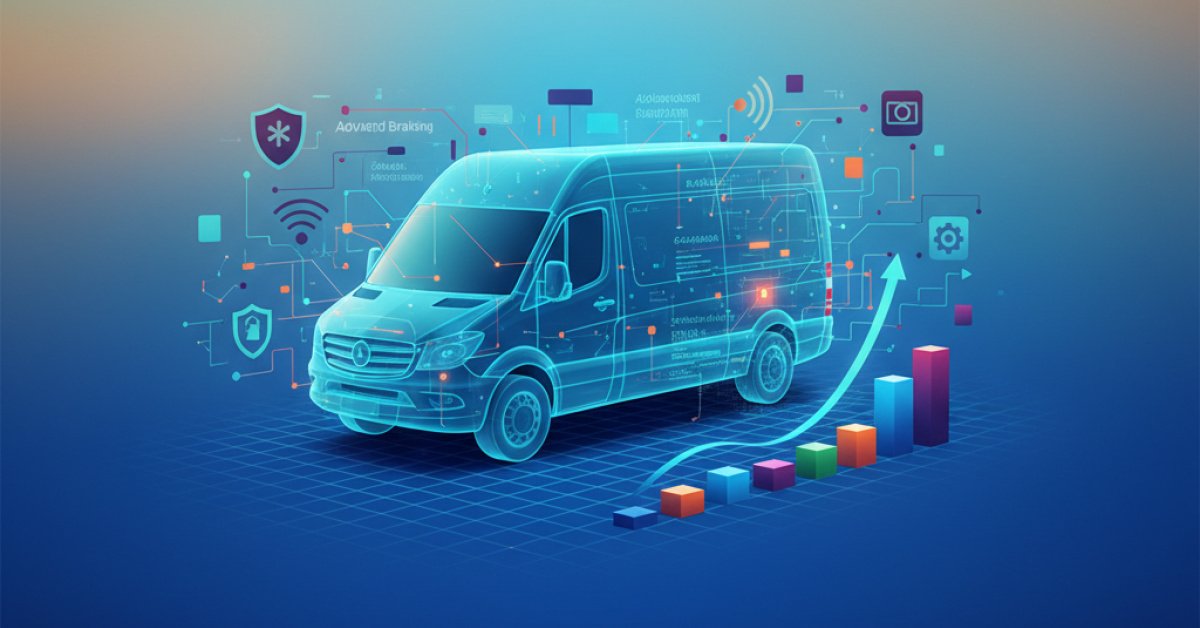
Thanks to predictive AI and telematics (a fancy word for in-cab cameras and sensors), underwriters are getting access to a whole new world of information. We’re moving from inferring risk based on old data to seeing it as it happens.
It’s not about spying on drivers. It’s about identifying the small behaviors that are the leading indicators of a big accident. These are the clues that tell us a crash is more likely to happen before it actually does.
What Are We Actually Looking For?
So, what are these "leading indicators"? It's not just about catching someone speeding anymore. The technology is way smarter than that. It’s about understanding the nuances of driver behavior.
Here are the big three things we can now see:
- Attentiveness: Is the driver actually focused on the road? AI-powered cameras can detect things like how often a driver’s gaze wanders or if they seem drowsy. It’s one thing to have your hands on the wheel, but it’s another to have your mind on the task of driving.
- Distraction: This is the big one. We’re talking about cell phone use, eating, messing with the radio, or looking at paperwork while driving. These are the exact kinds of behaviors that cause thousands of accidents but would never, ever show up on a traditional MVR.
- Behavioral Discipline: This goes beyond just following the speed limit. It’s about a driver's style. Are they constantly braking hard? Accelerating aggressively? Following the car in front too closely? These habits show a lack of discipline and dramatically increase the odds of a collision.
By analyzing these real-time behaviors, we can build a picture of a driver's actual risk profile, not just the one on paper.
What This Means for Fleets and Insurers
This shift is a win-win, and I really believe that. It’s not about finding reasons to charge people more; it’s about creating a fairer and safer system for everyone.
For insurance carriers, it means we can finally price risk with incredible accuracy. We can reward the safest fleets with the best premiums because we have the data to back it up. We can confidently tell Company B, our super-safe fleet, "We see what you're doing, and we're going to give you a rate that reflects your commitment to safety."
For fleet owners, the benefits are huge. First, you get a fair price on your insurance. But more importantly, you get insights that can save lives. This data isn't just for the insurer; it’s a powerful coaching tool. A fleet manager can see that a driver is consistently braking hard and have a conversation about following distance. They can spot a driver who is getting drowsy and intervene before it becomes a tragedy.
It turns insurance from a reactive cost into a proactive safety partnership.
Let's Talk About "Big Brother"
I know what you might be thinking. "Cameras in the cab? Isn't that a little 'Big Brother'?" It's a fair question, and one we in the industry have to be really thoughtful about.
Here's the thing: The goal of these programs is not to "catch" drivers doing something wrong. It’s to prevent accidents. Most systems are designed to focus only on high-risk events. The camera might only record when it detects a hard brake or a sign of distraction.
And the data is overwhelmingly used for coaching and improvement. It’s about saying, "Hey, we noticed this pattern. Let's work on it together to make sure you get home safe." When it's framed as a tool for safety and professional development, most drivers get on board. After all, nobody wants to be in an accident.
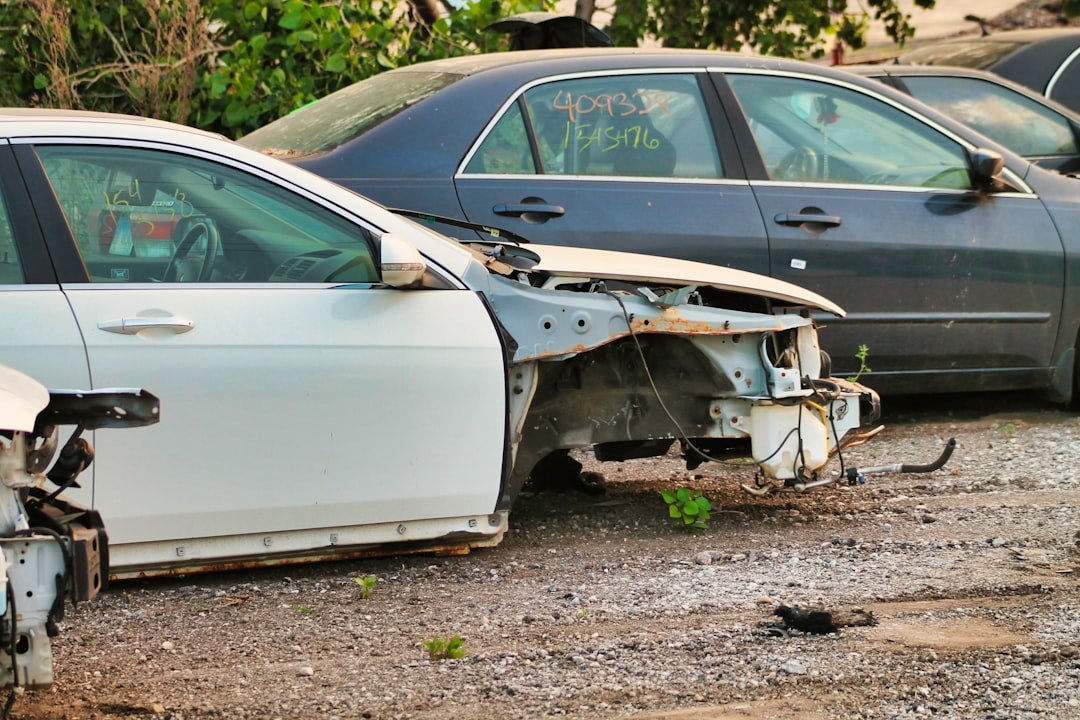
Ultimately, this is about moving away from a world where we just clean up the mess after a crash. We're building a system that helps us see the warning signs and prevent the crash from ever happening. It's smarter, it's fairer, and most importantly, it's safer for everyone on the road. And that’s a future I think we can all get behind.