We all buy insurance for one simple reason: peace of mind. You pay your premiums, and you trust that if the worst happens, your insurance company will have your back. It’s a promise, right? A safety net.
Well, for a giant like Best Buy, that safety net is now the center of a massive legal battle. They’re in a full-blown showdown with their insurer, XL, over a multi-million dollar settlement that followed a tragic accident. And the core of the fight is something that, frankly, seems a little baffling on the surface.
It’s a story about a terrible event, a huge payout, and an insurance company that Best Buy claims is trying to use a technicality to get out of paying the bill. Let’s unpack what’s going on here, because it’s a fascinating, and cautionary, peek behind the curtain of corporate insurance.
What's at the Heart of This Lawsuit?
It all started with a heartbreaking incident involving a Best Buy Geek Squad van, which resulted in a fatal crash. As you can imagine, this led to a claim against the company. To resolve it, Best Buy did what most large companies do in these situations: they reached a settlement with the victim's family.
This is the point where you’d expect the insurance to kick in. Best Buy turned to its insurer, XL (which is part of the global insurance giant Axa XL), to cover the settlement costs.
But that’s where things went sideways.
According to Best Buy's lawsuit, XL essentially tried to shift the goalposts. Instead of covering the claim under the policy that seems like the obvious fit, they allegedly tried to push it onto a completely different policy—one that was never designed to cover this kind of event.
A Tale of Two Policies
To really get what’s happening, you have to understand that big companies don't just have one simple insurance policy. They have a whole portfolio of them, each designed for a specific type of risk. Think of it like your own insurance: you have car insurance for your car, home insurance for your house, and health insurance for you. You wouldn't file a claim for a fender-bender with your health insurer, right?
That’s pretty much the argument Best Buy is making. They have two key policies involved in this dispute:
-
The Commercial Auto Policy: This one is pretty self-explanatory. It’s designed to cover accidents and incidents involving the company's vehicles. A crash with a Geek Squad van seems like a textbook case for this policy. This is the policy Best Buy says should pay the claim.
-
The Commercial General Liability (CGL) Policy: This is your classic "slip-and-fall" insurance. It’s meant to cover injuries that happen on the company’s premises or as a result of its general business operations.
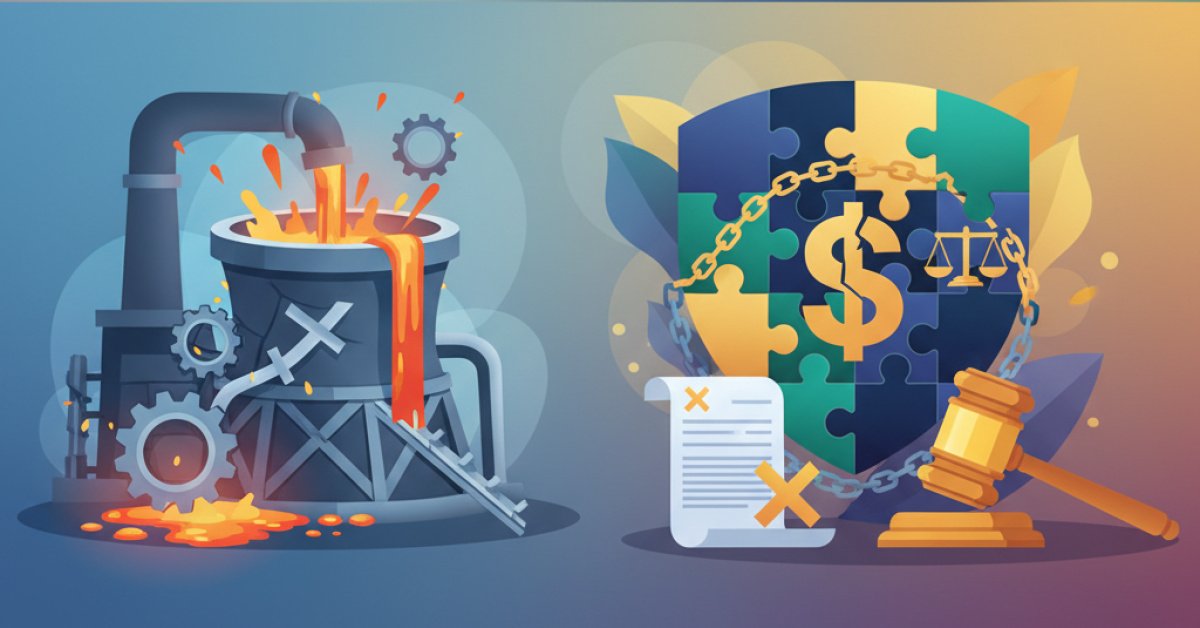
Here's the kicker: CGL policies almost always have what’s called an "auto exclusion." It's a standard clause that basically says, "We don't cover anything related to cars, because that’s what your auto policy is for."
So, according to Best Buy, XL is trying to move the claim from the auto policy (which would cover it) to the CGL policy (which, because of the auto exclusion, almost certainly wouldn't). It feels like a classic shell game.
Why Would an Insurer Make a Move Like This?
You might be wondering, why would an insurance company do that? It seems so clear-cut.
While we can only speculate on their exact strategy, moves like this in the insurance world are almost always about the bottom line. It could be that the policy limits are different, or that the CGL policy has a much larger deductible. Or, in the most cynical view, it could be an attempt to find a loophole to deny the claim altogether and avoid a massive payout.
By trying to reclassify the claim, the insurer forces the issue into a legal gray area. They’re essentially challenging Best Buy’s interpretation of the contracts. It’s a bold, high-stakes move that shifts the burden onto Best Buy to prove them wrong.
And that’s exactly what Best Buy is doing. They’ve filed a lawsuit asking a judge for what’s called a "declaratory judgment." In plain English, they’re asking the court to step in, read the insurance policies, and officially declare which one is supposed to cover the settlement. They want a referee to make the final call and force XL to pay up under the auto policy.
What This Means for the Rest of Us
You might be thinking, "Okay, this is a fight between two corporate giants. What does it have to do with me?" And that’s a fair question.
But cases like this are incredibly important. They set precedents. The outcome of this legal battle could influence how insurers interpret policy language for other businesses—maybe even smaller ones—down the road. It’s a powerful reminder that an insurance policy is a contract, and the specific words in that contract matter immensely.
It also highlights the absolute necessity of understanding exactly what your policies cover and, just as importantly, what they don’t. For any business owner, this is a wake-up call to sit down with your broker and go through your coverage with a fine-tooth comb. Make sure there are no gaps and that it’s crystal clear how your different policies work together.
Because at the end of the day, when you need that safety net, the last thing you want is a fight with the very company you paid to provide it.