Let’s be honest, when you think about cargo theft, what comes to mind? Probably a scene from a movie, right? A high-speed chase, a dramatic heist on a lonely highway, maybe some guys in ski masks. For years, that picture wasn't too far from the truth. The biggest threat was a physical breach—someone cutting a lock or hijacking a truck.
But the game has completely changed.
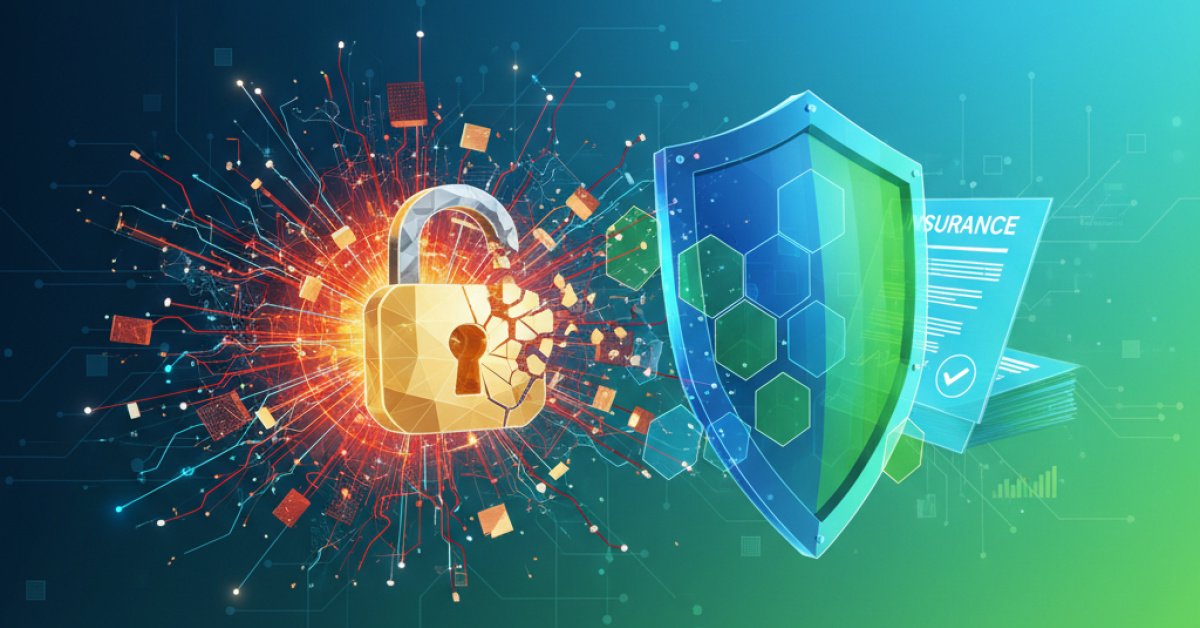
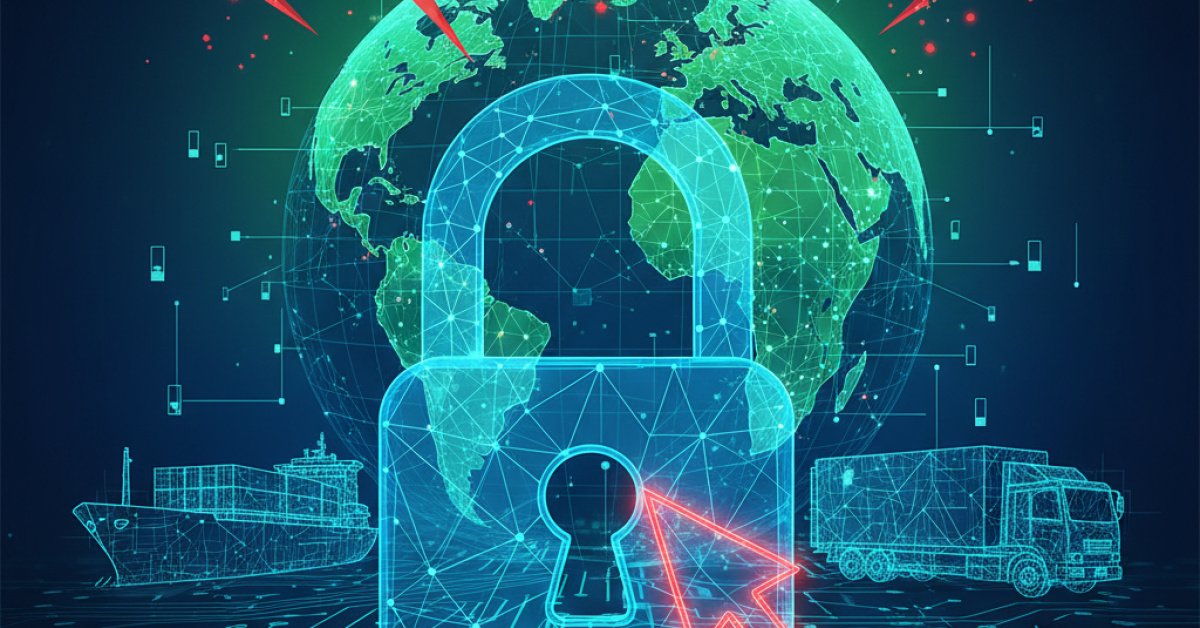
Today’s most sophisticated cargo thieves are more likely to be sitting behind a computer screen than behind the wheel of a getaway car. They’re using keyboards, not crowbars. And what they’re stealing first isn’t the cargo itself, but something far more valuable: your data. This new wave of cyber-enabled freight crime is quiet, digital, and it’s creating a massive, often uninsured, financial risk for freight forwarders like you.
So, What's Actually Happening Out There?
We’re seeing a huge shift in how criminals operate. Instead of waiting for a truck to be vulnerable on the road, they’re getting involved way earlier in the process. They’re targeting the digital weak points in the supply chain—the emails, the load boards, the dispatch systems.
Think of it like this: Why bother trying to break into a locked house if you can just trick someone into giving you the key?
That’s exactly what these criminals are doing. They use cyber tactics to impersonate legitimate trucking companies, gain your trust, and then convince you to hand over a shipment. They don't have to break a single lock. You give them the cargo willingly, thinking you’re dealing with a trusted partner. By the time you realize what’s happened, the truck, the driver, and your client’s goods are long gone.
The Real Danger Isn't Just Stolen Goods—It's Credit Risk
Here’s the part that catches so many forwarders off guard. This isn’t just a simple case of theft. When that truck disappears, you aren't just dealing with a lost load. You're facing a massive credit loss.
Let me break it down.
You, the freight forwarder or broker, arranged the shipment. You hired a carrier (or so you thought) and extended them credit by giving them the load before payment. When that "carrier" turns out to be a criminal and vanishes with the goods, they've effectively defaulted on that credit.
Now, you’re stuck in the middle. Your client is demanding payment for their lost cargo, and rightly so. But the "carrier" you were supposed to collect from doesn't exist. You’re left holding the bag, responsible for the full value of the shipment. It’s a devastating financial hit.
And here’s the kicker: your standard cargo insurance policy probably won’t cover it. Why? Because from the insurer's perspective, you weren't robbed. You voluntarily gave the cargo to a third party. This is often called "voluntary parting," and it's a common exclusion in many policies. It falls into a tricky gray area between theft, fraud, and a credit default, and it’s a gap that can put a company out of business.
How Are They Pulling This Off? A Look Inside the Scammer's Playbook
These aren’t amateur operations. We’re talking about organized criminal rings that are incredibly sophisticated. They know the industry's ins and outs and exploit the fact that everyone is trying to move freight quickly.
Here are some of their go-to moves:
- Phishing and Social Engineering: It often starts with a simple-looking email. An urgent request to update login details for a load board, or a message that looks like it's from a partner. One wrong click from an employee can give criminals the keys to your entire system.
- Hacking and Impersonation: Once they have access to a load board or a carrier’s email, they can watch and wait. They’ll spot a high-value shipment, then use the legitimate carrier’s identity to bid on the job. They’ll have all the right paperwork (or convincing forgeries), so everything looks above board.
- "Identity Theft" for Trucking Companies: Criminals will create what’s known as a "ghost carrier." They'll file for a legitimate motor carrier number but use fake names and addresses. They build a thin but plausible history over a few months, then use that identity to start stealing loads. By the time anyone catches on, they’ve vanished and started a new ghost company.
They are masters of disguise in a digital world. They create fake websites, use burner phones, and forge insurance documents. They prey on the trust and speed that the logistics industry relies on to function.
Is Your Insurance Policy Actually Going to Help?
This is the million-dollar question, isn't it? You pay your premiums every month, assuming you're protected. But in this specific scenario, you might be in for a rude awakening.
As I mentioned, your standard Freight Broker Liability or Contingent Cargo policy might not respond. The "voluntary parting" exclusion is a big hurdle. The policy is designed to cover you for things that happen to the cargo while it's in transit—like a crash, a fire, or a traditional theft. It wasn't really designed for situations where you were tricked into giving the cargo to a criminal.
So, what’s the solution? You need to have a very direct conversation with your insurance broker about your specific risks. You need to ask the tough questions:
- "Am I covered for fraudulent pickup or theft by trickery?" You need to see the specific wording in your policy. Some modern policies have started adding this coverage, but it’s often limited.
- "What happens if I give a load to a carrier who turns out to be an imposter?" Walk them through the exact scenario.
- "Do I need a separate Crime Policy or Credit Insurance?" A Crime Policy can cover losses from fraud and deception. Credit Insurance can protect you against defaults, which is essentially what a fraudulent pickup is.
Don't assume you're covered. This is one of those situations where the fine print really, really matters.
Okay, I'm Worried. What Can We Do About It?
It's easy to feel a little helpless reading this, but you're not. You can absolutely fight back. Protecting your business comes down to a mix of smart technology, solid procedures, and a healthy dose of skepticism.
First, vet your carriers like your business depends on it—because it does. Don't just rely on the information you're given.
- Pick up the phone and call the number listed on their official FMCSA registration, not the number in their email signature.
- Check how long their authority has been active. A brand-new authority bidding on a high-value load is a major red flag.
- Use a third-party service to continuously monitor your carriers.
Second, shore up your cybersecurity basics. This isn't just an IT problem; it's a business survival problem.
- Use multi-factor authentication on all your critical systems (email, TMS, load boards). It’s one of the single most effective ways to stop hackers.
- Train your team relentlessly on how to spot phishing emails. Run drills. Make it part of your culture to be suspicious of any unusual digital request.
Finally, have that conversation with your insurance advisor. This isn't a problem you should face alone. A good broker who specializes in logistics will know about these emerging threats. They can review your current policies, identify the gaps, and help you find the right coverage to protect you from this very real, very modern threat.
The world of freight is moving faster than ever, and the criminals are keeping pace. The old ways of protecting cargo aren't enough anymore. Building a digital fortress around your data and processes is just as important as putting a heavy-duty lock on a trailer door. It sounds daunting, I know. But being aware is the first and most important step. A little bit of extra diligence and the right insurance partner can save you from a catastrophic loss.