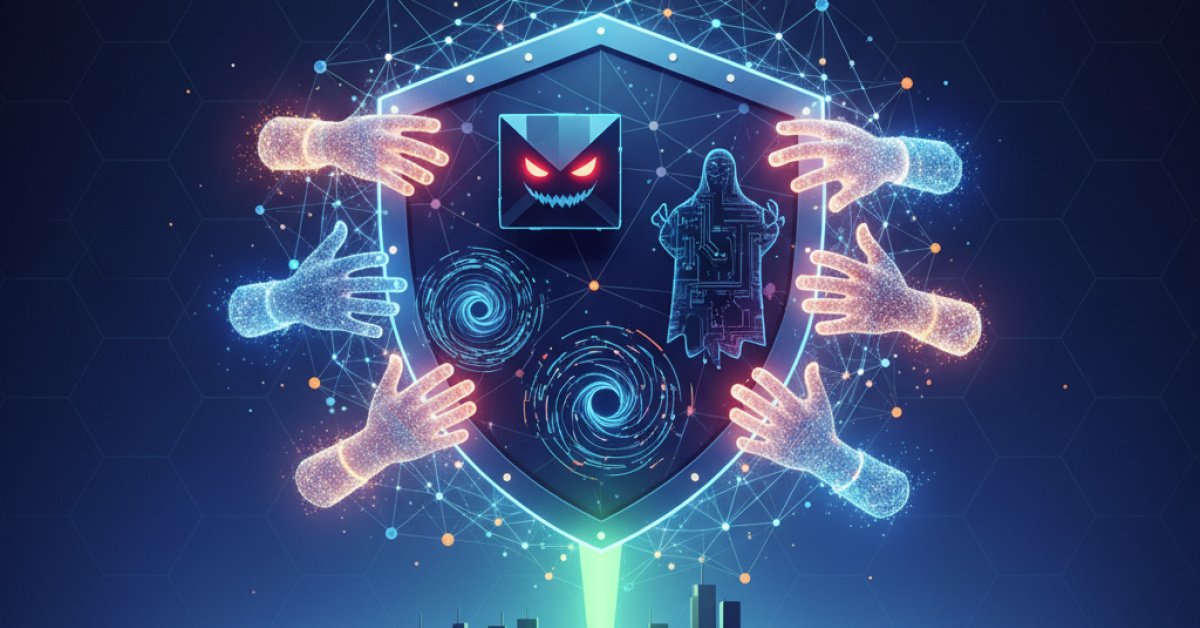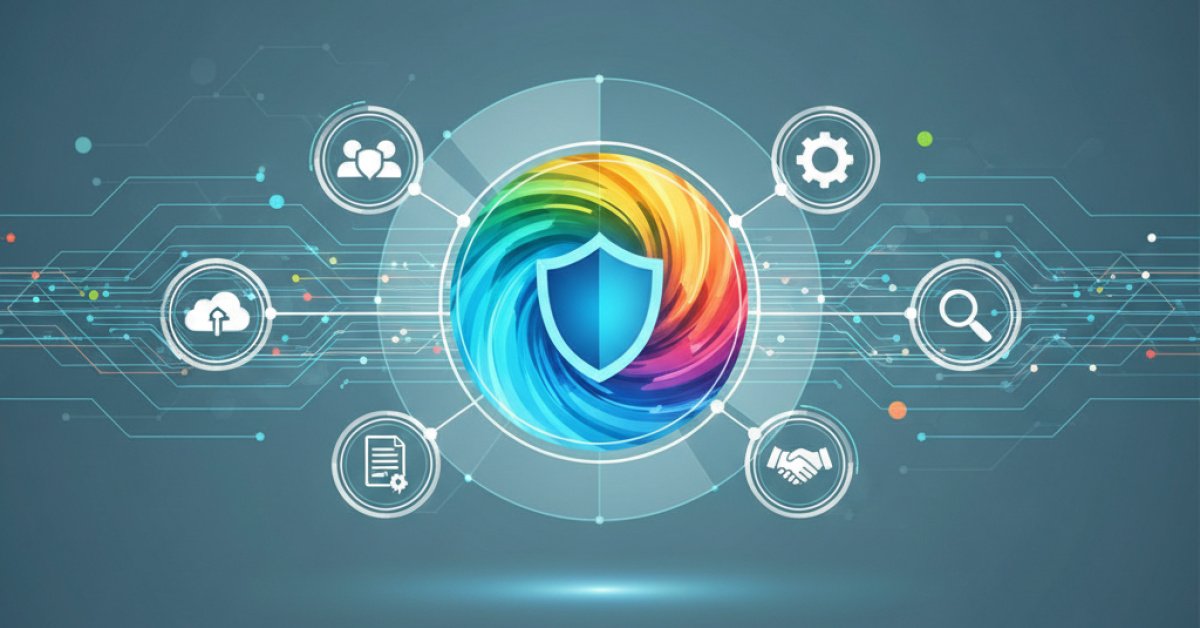
Let’s be honest for a minute. For a long time, we all thought about cyber insurance in a pretty simple way. It was the financial "break glass in case of emergency" box on the wall. If the worst happened—a ransomware attack, a massive data breach—you’d file a claim, and eventually, a check would arrive to help clean up the mess.
It was a safety net. A purely financial transaction. And for a while, maybe that was enough.
But things have gotten a lot more complicated, haven't they? The threats are more sophisticated, the attacks are more frequent, and the fallout from a single incident can be absolutely devastating, going way beyond just financial costs. A check can’t restore your company’s reputation or win back the trust of your customers.
So, we're seeing a massive shift in what people actually expect from their cyber insurance. It’s no longer just about the payout. It’s about partnership. It’s about preventing the fire in the first place, not just getting paid to rebuild from the ashes.
The Old Way: Why a Financial Backstop Just Doesn't Cut It
Think of it like this. Imagine your home has a shoddy lock on the front door. The old model of insurance was basically saying, "Don't worry, if someone breaks in and steals your TV, we'll buy you a new one." That's helpful, for sure. But wouldn't it be better if your insurance company also helped you install a better lock, set up a security camera, and showed you how to spot suspicious activity in the neighborhood?
That’s exactly the change we're seeing in the cyber world. Business leaders are waking up to the fact that simply getting a check after a breach is a losing game. The damage is already done.
The real cost of a cyberattack isn't just the ransom paid or the regulatory fines. It's the operational downtime, the frantic scramble to get systems back online, the panicked calls to customers, and the long, slow process of rebuilding a reputation that might have taken decades to build. Money alone can't fix that.
From Safety Net to Strategic Partner: What Businesses Demand Now
So, what does this new partnership look like? It’s all about being proactive. Businesses are now looking for cyber insurance carriers that act more like a security consultant who also happens to offer a policy.
They want services that help them become a harder target for criminals. We’re talking about real, tangible support that strengthens their defenses before an attack ever happens.
Here are some of the things that are quickly becoming standard expectations:
- Proactive Threat Intelligence: Instead of you having to hunt for information, your insurer provides you with alerts about new threats targeting your industry. They might warn you about a new phishing campaign or a vulnerability in a piece of software you use.
- Vulnerability Scanning: Many insurers now offer tools that constantly scan your company's internet-facing systems, looking for weaknesses—like an open port or an unpatched server—before a hacker does.
- Security Training Resources: Let’s face it, your employees are often the first line of defense. Insurers are providing access to top-notch security awareness training platforms to help your team spot phishing emails and avoid common traps.
- Incident Response Planning: When an attack happens, the first few hours are critical. The best carriers now help you build and test an incident response plan in advance, so you’re not figuring things out in the middle of a crisis.
It’s a fundamental change in philosophy. The goal is no longer just to transfer risk; it's to actively reduce it. Insurers have realized they have a vested interest in making you safer. After all, the fewer claims they have to pay, the better. It’s a true win-win.
What About the Risks You Don't Control? Hello, Vendor Management
Here’s a scary thought: you can have the most secure network in the world, but if your payroll provider gets breached, your employee data is still exposed. This is the massive headache of vendor and supply chain risk.
Your business doesn't operate in a vacuum. You rely on dozens, maybe even hundreds, of third-party vendors for everything from cloud hosting to customer relationship management. Every single one of those vendors is a potential backdoor into your own systems.
This has become a huge focus for businesses and, by extension, for their insurers. It's no longer enough to just worry about your own four walls. You have to ask the tough questions:
- How secure is our cloud provider?
- What are the security practices of the marketing firm that has access to our customer list?
- Is the software we use to manage our finances properly patched and updated?
Cyber insurers are stepping up here, too. They are starting to provide tools and services that help you assess the security posture of your key vendors. They’re helping you understand where the biggest risks are in your supply chain so you can address them. Because at the end of the day, a breach that comes through a partner is still your breach.
The Rise of the AI Underwriter: Getting Smarter About Risk
So how can insurers possibly keep up with all of this? The short answer is technology, specifically Artificial Intelligence.
The days of an underwriter just looking at a 10-page application form you filled out are over. That's an outdated, static snapshot of your risk. Today’s underwriting process is far more dynamic and, frankly, a lot smarter.
Insurers are now using AI-powered tools to get a real-time, "outside-in" view of a company's security. Before they even offer you a quote, they are often:
- Scanning your public-facing websites for known vulnerabilities.
- Checking for misconfigured cloud services.
- Looking for signs of compromised employee credentials on the dark web.
- Assessing the security of your email systems.
This might sound a little "Big Brother," but it's actually a good thing for everyone. For the insurer, it means they can price the risk much more accurately. They’re not just guessing based on your industry or your revenue; they’re basing it on your actual, observable security practices.
And for you, the buyer? It provides an invaluable, impartial assessment of your security weaknesses. It might even highlight a problem you didn't know you had. This data-driven approach means the conversations you have with your insurer are more meaningful, focused on tangible steps you can take to become more secure—which, in turn, can lead to better coverage and pricing.
This isn’t just about getting a "yes" or "no" on a policy anymore. It’s about entering a continuous dialogue about risk and resilience. The insurance policy is becoming the outcome of a good security strategy, not just a replacement for one. It's proof that you’re taking this seriously, and your insurer is right there with you, helping you stay ahead of the game.