Ever stop and think about what your car knows about you? I mean really think about it.
It’s not just a machine of steel, glass, and rubber anymore. Your car is a super-sophisticated computer on wheels. It knows how fast you drive, how hard you brake, where you go for your morning coffee, and what time you usually leave for work. It's basically keeping a detailed, second-by-second diary of your life behind the wheel.
Kinda creepy, right?
But here’s the million-dollar question: Who owns that diary? Is it you, the person who bought and paid for the car? Or is it the company that built it? For a long time, the answer has been fuzzy, and frankly, that’s a huge problem. Now, a new piece of legislation is trying to clear things up, and it could be a game-changer for every single car owner.
So, What's This DRIVER Act All About?
Let's talk about the DRIVER Act. It's officially called the "Driving Renter-ship and Innovation in Vehicles for Everyone Act," which is a mouthful, I know. But what it aims to do is surprisingly simple and, in my opinion, long overdue.
At its core, the bill is about putting you—the vehicle owner—back in the driver's seat when it comes to your car's data.
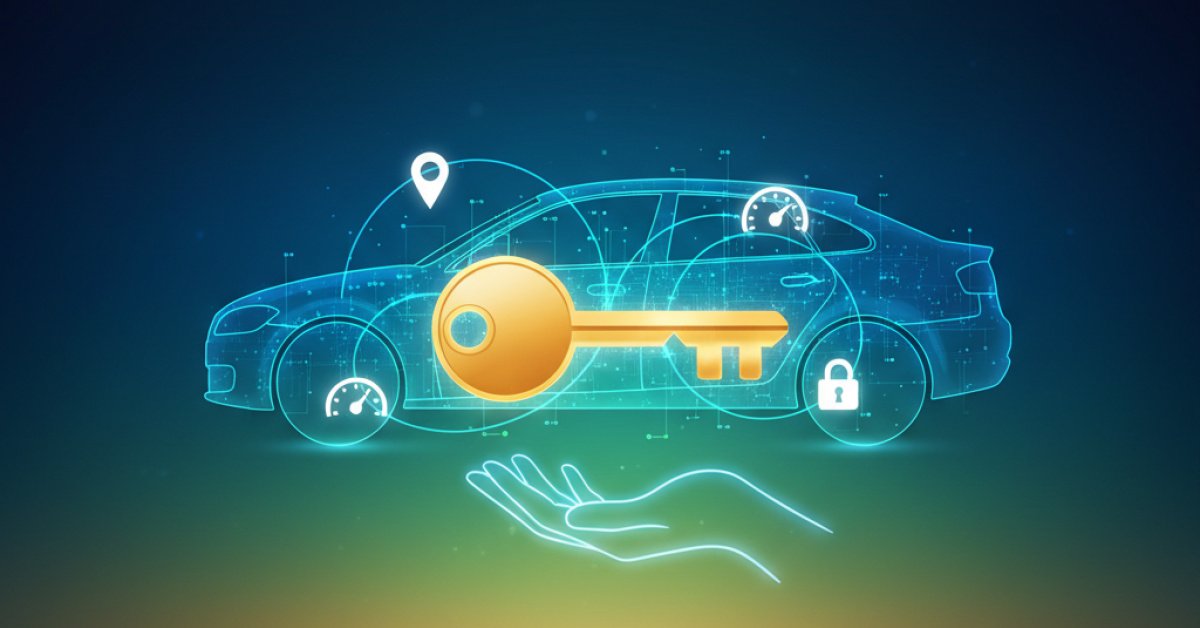
Think of it like this: You own your house, right? You decide who gets a key, who can come inside, and who can look at your stuff. The DRIVER Act wants to apply that same logic to your car's data. It’s your car, so it should be your data.
The bill establishes a few crystal-clear rights for vehicle owners:
- You have the right to access it. You should be able to see the data your car is collecting, plain and simple. No more black boxes or hidden information.
- You have the right to control it. This is the big one. You get to decide who else can see and use your data. Want to share it with your local mechanic? Great. Want to share it with your insurance company for a potential discount? That’s your call. Don't want to share it with anyone? That should be your right, too.
This isn't just some abstract tech issue. It has real-world consequences for your privacy, your wallet, and your freedom of choice.
Why the Insurance World is Paying Close Attention
Now, you might be wondering why an insurance guy like me is so interested in a tech privacy bill. It’s because this directly impacts the future of car insurance.
The American Property Casualty Insurance Association (APCIA), which represents a huge chunk of the insurance industry, has come out in strong support of the DRIVER Act. And there’s a very good reason for that.
For years, we’ve been moving toward more personalized insurance. You’ve probably heard of telematics or usage-based insurance (UBI) programs, where you can get a discount for being a safe driver. These programs use a little device or a smartphone app to track things like your mileage, speed, and braking habits.
It’s a great concept! Good drivers can save real money. But it only works if the system is fair and transparent.
Here's the problem we're facing now: a lot of that valuable driving data is locked down by the car manufacturers. They hold the keys, and they often control who gets access. This creates a bottleneck. It can make it harder for you to shop around for the best insurance deal because your data isn't easily portable.
The DRIVER Act would change that. By giving you control, it allows you to easily and securely share your driving data with any insurer you choose. This fosters competition, and when companies compete for your business, you usually win with better prices and more innovative products.
It's Not Just About Insurance—It's About Choice
This goes way beyond just getting a better insurance rate. This is about your right to repair your own car where you want.
Imagine your "check engine" light comes on. Today, your car sends a complex diagnostic code directly to the manufacturer. To figure out what's wrong, your independent neighborhood mechanic might need access to that data. If the manufacturer is the gatekeeper, they can make it difficult or expensive for that mechanic to get the information they need, potentially pushing you toward their own pricier dealership service centers.
That doesn't feel right, does it?
When you own the data, you can authorize your trusted mechanic to access it directly. This keeps the repair market competitive and gives you the freedom to choose who works on your vehicle. It’s your car, so you should get to decide who fixes it.
The same goes for all sorts of cool apps and services that could be built using vehicle data—if only developers could get access to it with your permission.
Putting It All Together
At the end of the day, this whole debate is about a fundamental shift. For too long, we’ve been treated like we’re just borrowing the technology inside the products we own. The DRIVER Act is a pushback against that idea.
It says that ownership still means something.
It ensures that as our cars get smarter, we don't lose our basic rights to privacy and control. Giving you, the owner, clear authority over your data isn't a radical idea—it's common sense. It promotes safety, encourages competition, and sparks innovation.
It will be interesting to see how this legislation progresses. But one thing is for sure: the conversation about data ownership has finally pulled out of the driveway and is hitting the open road. And that's good news for all of us.