You know that feeling, right? You’re driving along, listening to music, maybe sipping some coffee, and then—BAM! You hit a pothole that feels like it could swallow your entire car. You grip the steering wheel, wince at the sound, and spend the next five miles wondering if your tire is about to go flat or if your alignment is now completely shot.
We’ve all been there. And in that moment, you probably think, "Seriously? With all the gas tax we pay, can't they fix these roads?"
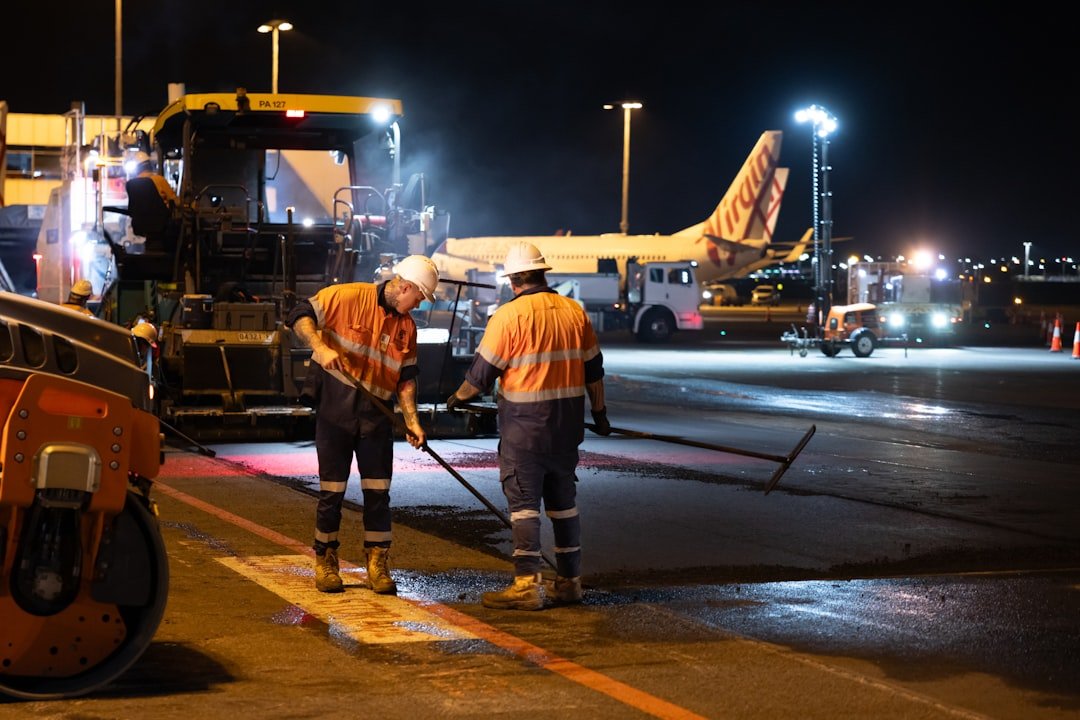
Well, what if I told you that some of that money—hundreds of millions of dollars, in fact—might not be going to fix that pothole at all? Instead, it could be getting rerouted to help an oil refinery produce cleaner jet fuel.
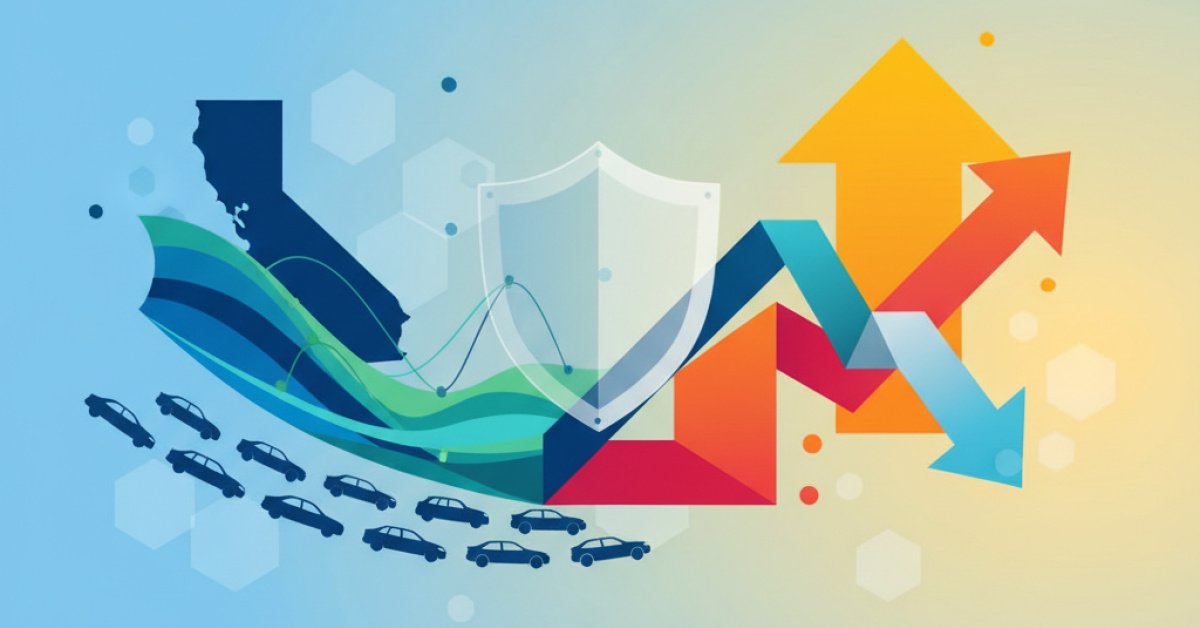
It sounds a little strange, I know. It's a classic case of good intentions meeting a very complicated reality, and it’s happening right now in California. Let’s break down what’s going on, because it has a real impact on your daily drive, your wallet, and even your car insurance.
So, What’s This Plan All About?
Here’s the gist of it. Governor Gavin Newsom’s administration is pushing forward a proposal to help a struggling oil refinery. The goal is to help them retool their facility to produce something called "sustainable aviation fuel," or SAF. Think of it as a greener, cleaner fuel for airplanes.
On the surface, that sounds pretty good, right? We all want cleaner air and to fight climate change. And helping a local business transition to green energy seems like a win-win.
But the devil, as they say, is in the details. And the biggest detail here is where the money is coming from.
The plan involves giving the refinery a massive credit, potentially worth hundreds of millions of dollars. That money wouldn't be coming from a general fund or a new green energy program. Instead, it would be drawn directly from the funds that California voters specifically set aside for fixing our crumbling highways, roads, and local streets.
Think of it like this: You and your family create a strict budget, and you put a specific amount of money into an envelope labeled "Groceries." But then, someone decides to take that cash and use it to buy a new high-tech solar panel for the roof. The solar panel is a great thing to have, but now you don't have money for food. That's essentially the debate we're having here.
A Promise Made to Voters
If you’re a driver in California, you know that you pay some of the highest gas taxes and vehicle fees in the country. A few years back, voters were asked to approve these fees with a very specific promise.
The money collected would be put into a "lockbox." It was constitutionally protected, and politicians promised it would only be used for transportation projects. We’re talking about:
- Fixing those monster potholes.
- Repaving worn-out highways.
- Making bridges safer.
- Improving public transit.
Voters agreed, based on that promise. The idea was to finally start tackling the massive backlog of repairs our state desperately needs. We’ve all seen the reports—California’s roads are consistently ranked among the worst in the nation. This money was supposed to be the cavalry coming to the rescue.
Now, this new proposal challenges that promise. It argues that producing sustainable jet fuel is a form of transportation, just in the air instead of on the ground. It's a creative interpretation, but for many people, it feels like a bait-and-switch.
Why This Matters for Your Car and Your Insurance
Okay, so this might seem like a distant political debate, but it has real-world consequences that can hit you directly in the wallet. As someone who lives and breathes insurance, I see the ripple effects of these kinds of decisions every day.
Here's how it connects.
1. More Wear and Tear on Your Vehicle
This one’s pretty straightforward. When roads aren't maintained, they cause more damage to our cars. It’s not just about the occasional flat tire from a massive pothole. Consistently driving on rough, cracked, and uneven pavement causes slow, steady damage:
- Tires: Faster and uneven wear.
- Suspension: Worn-out shocks and struts.
- Alignment: Constant jarring can knock your wheels out of alignment, which then wears out your tires even faster.
- Wheels: Bent rims are an expensive fix.
All of this means more frequent and more expensive trips to the mechanic for you. The money you save on a new set of tires could be eaten up by a single pothole-related repair.
2. The Direct Hit to Your Insurance
This is the part most people don't think about. When road conditions get worse, insurance claims tend to go up. A driver hits a pothole and blows two tires and bends a rim—that’s often a collision claim. A driver swerves to avoid a massive crack in the road and hits another car—that’s an accident.
Insurance companies track this data very closely. If they see a spike in claims for things like tire, rim, and suspension damage in a specific area, they know something is up. Usually, it's the roads.
And when claims in a region increase, insurance rates for everyone in that region eventually follow. It’s a simple numbers game. More money going out in claims means the company needs to bring more money in through premiums to stay afloat.
So, a decision to divert funds from road repair isn't just an abstract policy choice. It can lead directly to you and your neighbors paying more for car insurance, even if you’ve never had an accident.
A Tough Choice with Real Consequences
Look, nobody is saying that finding cleaner ways to fuel airplanes is a bad idea. It’s a noble and necessary goal. The real question here is about priorities and promises.
Is it fair to fund a green energy project for a private company with public money that was explicitly promised for something else? Especially when that "something else" is the basic safety and maintenance of the roads we all rely on every single day?
It’s a tough spot. But as this plan moves forward, it's important to understand the full picture. The choice isn't just between green skies and smooth roads. It’s about how these decisions trickle down, affecting the life of your car, the safety of your commute, and the amount you pay for insurance every month.
So, the next time you’re navigating a minefield of potholes, you can ask yourself where that repair money is really going. It might just be flying 30,000 feet above you.