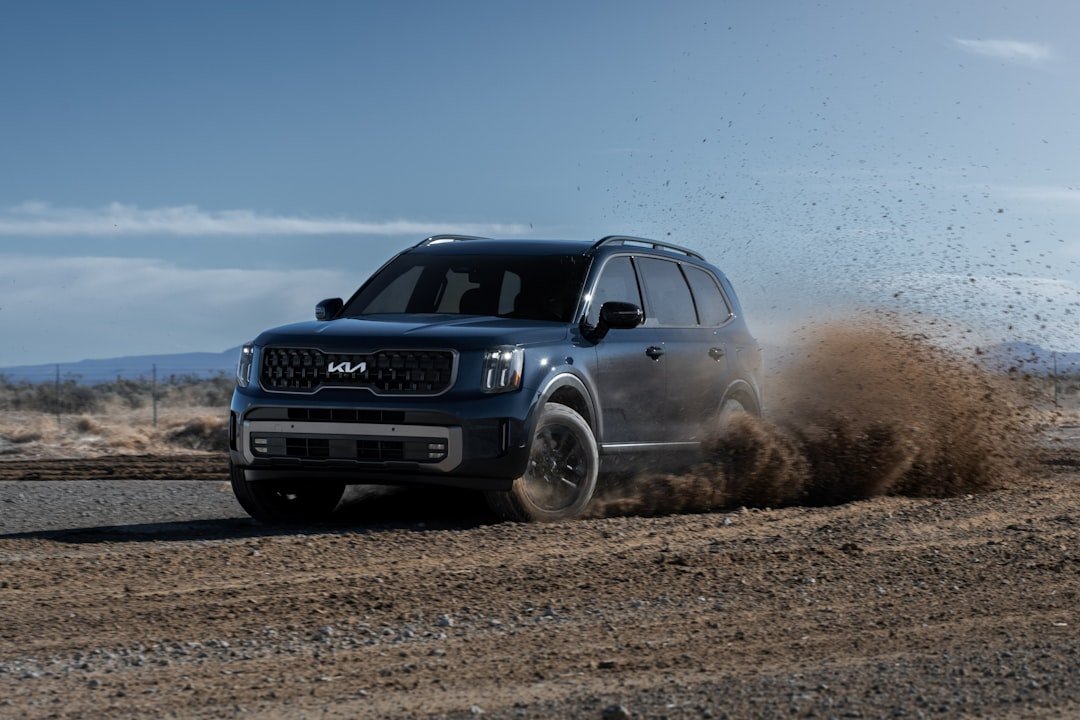
It’s the kind of news that makes your stomach drop. You see a headline about a major vehicle recall, and you think, "Is that my car?" For nearly half a million Kia Telluride owners, that feeling is very real right now.
Federal safety regulators have issued an urgent warning for owners of 463,000 of these popular SUVs. The message is simple and frankly, a little terrifying: park your car outside and away from buildings until a critical recall repair is done.
Why? Because of a risk of fire.
Now, you might be thinking about the hassle of getting the repair done. But as an insurance pro, my mind immediately goes to a different place. What does this mean for your insurance? If the worst happens, are you covered? Let’s walk through this, because it’s more complicated than you might think.
First, What’s Actually Going On?
Let’s get the basic facts straight. The National Highway Traffic Safety Administration (NHTSA) is taking this very seriously. They, along with Kia, are recalling these specific Telluride models because of a potential issue with the front power seat motor. Apparently, it can overheat, which can lead to a fire while you're driving or even when the car is just parked.
That’s why the "park outside" warning is so critical. A fire in a parked car is bad. A fire in a parked car inside your garage can become a catastrophe that involves your home, your belongings, and your family's safety.
This isn't just a friendly suggestion; it's a direct warning to prevent a potential disaster. So, if you own a Telluride from the affected model years, please, take this seriously.
The Big Question: If It Catches Fire, Am I Covered?
Okay, let's get right to the heart of it. Your car is parked in the driveway, you followed the instructions, but something still goes wrong and it catches fire. You call your insurance company. What happens next?
The good news is, you’re probably covered.
This is where a specific part of your auto policy called Comprehensive Coverage comes into play. You’ve probably heard of it. It’s the part of your insurance that handles things that aren't a collision. Think of it as the "life happens" coverage.
Comprehensive covers things like:
- Theft
- Vandalism
- A tree branch falling on your roof
- Hitting a deer
- And yes, fire
So, if your car catches fire due to a mechanical or electrical issue—even one caused by a manufacturer's defect like in this recall—your comprehensive coverage is what would pay to repair or replace your vehicle. You’ll still have to pay your deductible, of course, but the bulk of the cost should be handled.
Here’s the Catch: The "Negligence" Clause
Now, insurance is never quite that simple, is it? There's always a "but."
Insurance companies operate on a principle of good faith. They trust that you’ll take reasonable steps to prevent a loss. When a manufacturer and a federal safety agency tell you, "Your car might catch on fire, so park it outside," they consider that a very reasonable step.
So, what happens if you ignore the warning?
Let's say you get the official recall notice in the mail. You see the news. You know you're supposed to park outside, but your garage is just so convenient. You keep parking inside. And then, the worst happens. The car catches fire and damages not only itself but also your garage and part of your house.
This is where things get sticky. An insurance adjuster could potentially argue that you were negligent. They could say that you were aware of a specific, known risk and you failed to take the simple, recommended steps to mitigate it. Could they deny your claim? It's a possibility. It’s a gray area, and it’s a fight you absolutely do not want to have while you're also dealing with the trauma of a fire.
My advice? Don't even go there. Just park the car outside until it’s fixed. It’s not worth the risk to your property or your insurance coverage.
The Ripple Effect: When a Car Fire Becomes a House Fire
This is the real reason for the "park outside" rule. A car fire is a contained problem. A house fire is a life-altering event.
If your car were to catch fire in the garage, the claim suddenly gets a lot more complicated.
- Your Auto Policy: Your comprehensive coverage would handle the damage to the car itself (minus your deductible).
- Your Homeowners Policy: Your home policy would have to handle the damage to the garage and anything else that burned. You’d have a separate deductible for that claim.
So now you're dealing with two different claims, two adjusters, and two deductibles. It's a logistical and financial nightmare. This is precisely the scenario the NHTSA is trying to help you avoid.
Your 4-Step Action Plan Right Now
If you're reading this and feeling a bit of anxiety, that's normal. But we can turn that anxiety into action. Here’s what you should do, starting today.
- Confirm Your Vehicle Is Affected: Don't just guess. Go to the NHTSA's website (nhtsa.gov/recalls) and enter your car's 17-digit Vehicle Identification Number (VIN). It will tell you in seconds if your vehicle is part of this or any other recall.
- Park It Outside. Period. I know I’m repeating myself, but it’s that important. Park away from your house, your garage, or any other structures until the repair is complete.
- Call Your Insurance Agent: This is a great time for a quick insurance check-up. Call your agent and ask two simple questions: "Do I have comprehensive coverage on my Kia Telluride?" and "What is my deductible for that coverage?" It's better to know now than to be surprised later.
- Schedule the Repair: Kia is notifying owners and will be making the fix for free. As soon as you get that notice, call your dealer and get on the schedule. Don't put it off.
This situation is stressful, there's no doubt about it. But your car is replaceable—your home and your family are not. The recall is a hassle, but the warnings are there to protect you. And from an insurance perspective, following those warnings is the single best thing you can do to make sure your coverage can do its job if you ever need it to. Stay safe out there.