You know the drill. You pull out your phone, tap an app, and a few minutes later, you’re hopping into a car to get where you need to go. It’s a modern-day miracle we barely think about anymore.
And somewhere in that transaction, you’ve probably paid a small fee for safety or insurance. It makes sense, right? You assume that if something goes wrong—a fender bender, a more serious accident—there’s a policy in place to protect you. You paid for it, after all.
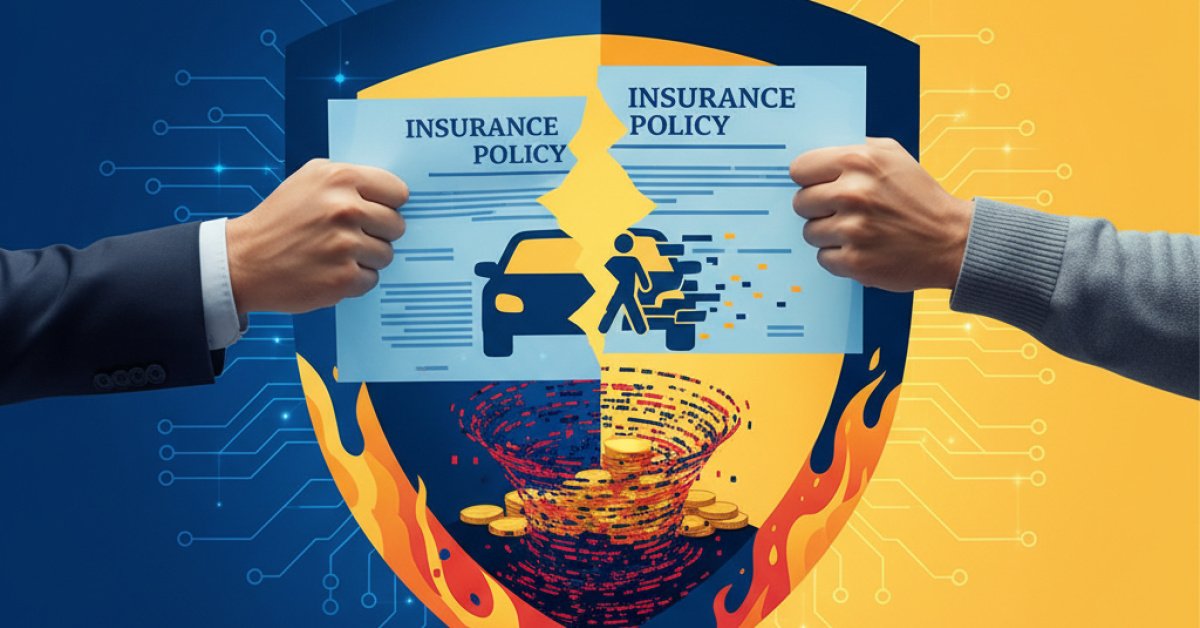
But what if you were paying for an umbrella full of holes? What if that protection you thought you had was designed, from the start, to not actually cover you in the most likely scenarios? Well, that’s the explosive allegation at the heart of a new class-action lawsuit filed against one of the biggest names in the business: Allstate.
This isn’t just another boring legal dispute. It strikes at the very core of trust between you, the rideshare companies, and the insurers who are supposed to have your back.
So, What’s This Lawsuit All About?
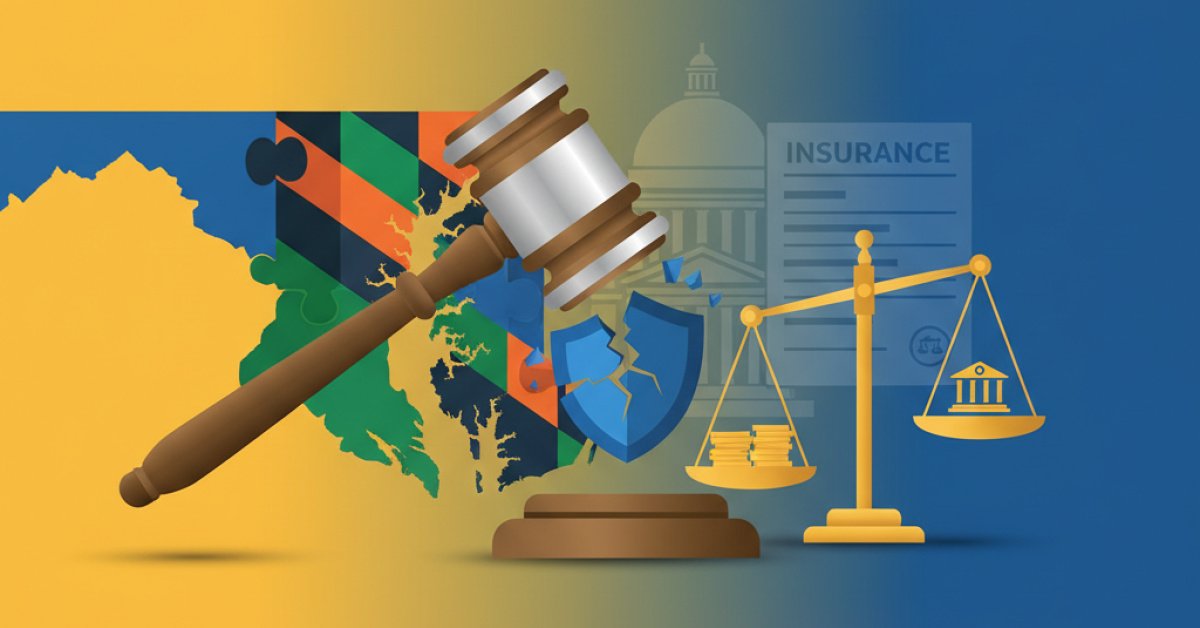
Let’s break it down. A group of passengers has come forward, and they're not mincing words. They’re claiming that Allstate has been running what they call an "illegal rideshare insurance scheme."
The core of their argument is pretty simple and, if true, incredibly troubling. They say that passengers were charged for mandatory insurance protection. This wasn't an optional add-on; it was part of the deal. In exchange for that fee, they were supposed to get coverage.
Here’s the kicker, though. The lawsuit alleges that Allstate then built "unlawful exclusions" right into the fine print of the policy. Think of it like buying a ticket to a concert, but the fine print says you’re not allowed to enter the building if the band is playing. It completely defeats the purpose of what you bought.
These plaintiffs are arguing that they were forced to pay for a product that was essentially hollowed out, leaving them exposed when they needed it most.
The Problem with "Unlawful Exclusions"
Now, the word "exclusion" isn't a dirty word in insurance. Every single policy has them. Your homeowner's policy, for example, probably excludes things like floods or earthquakes—you need separate coverage for those. That’s normal.
But the key word in this lawsuit is "unlawful."
The plaintiffs aren’t just saying they don’t like the exclusions. They’re arguing that these specific exclusions are illegal. This could mean a few things:
- They might violate state insurance laws.
- They could go against public policy (the general principles that guide our laws).
- They might be so misleading that they constitute fraud.
Essentially, the lawsuit claims Allstate created a policy that looks good on the surface but is designed to deny claims for the very situations it's supposed to cover. Imagine a policy that covers you in a rideshare accident, unless the accident happens on a Tuesday, or on a street with more than two lanes. That’s an exaggeration, of course, but it illustrates the point: an exclusion can be so specific and targeted that it makes the coverage practically useless.
Why Were Passengers Paying for This?
This is where it gets really frustrating from a consumer standpoint. According to the lawsuit, this wasn't an optional "travel insurance" pop-up that you could accept or decline. It was a mandatory part of the service.
You, the passenger, were paying for a piece of the protection pie. And you did it because you trusted that the charge was for a legitimate, functional insurance policy. No one has time to pull over and read a 50-page policy document before their 10-minute ride to the airport. We rely on a certain level of good faith from these massive companies.
The lawsuit suggests that this trust was broken. It alleges that Allstate knowingly sold a flawed product to a captive audience—passengers who had no choice but to pay the fee if they wanted a ride. It’s a classic "take it or leave it" situation, and the plaintiffs say what they were forced to "take" was a raw deal.
What This Means for You (Even if You're Not Involved)
Okay, so why should you care about a lawsuit you’re not a part of? Because this story is bigger than just Allstate or one specific rideshare policy.
This case shines a massive spotlight on the insurance that underpins the entire gig economy. We use these services every day, assuming a safety net is in place. This lawsuit asks a very uncomfortable question: is that net real, or is it just an illusion we’re paying for?
It’s a powerful reminder for all of us to be skeptical consumers. That little line item on your digital receipt for a "safety fee" or "insurance surcharge" deserves a second look. While you might not be able to change it, being aware is the first step.
This case is still in its early stages, and Allstate will certainly have its own side of the story to tell. But no matter how it plays out, it’s a wake-up call for the industry and for regulators. When you pay for protection, you deserve to get exactly that—not a list of excuses for why you’re not covered. We’ll be watching this one closely, because the outcome could change the rules of the road for everyone.