Ever heard of Nvidia? If you’re a gamer, or even just know one, the name probably rings a bell. For years, we thought of them as the company that made the powerful little chips—the graphics cards—that made video games look so stunningly realistic. They were the engine behind the fun.
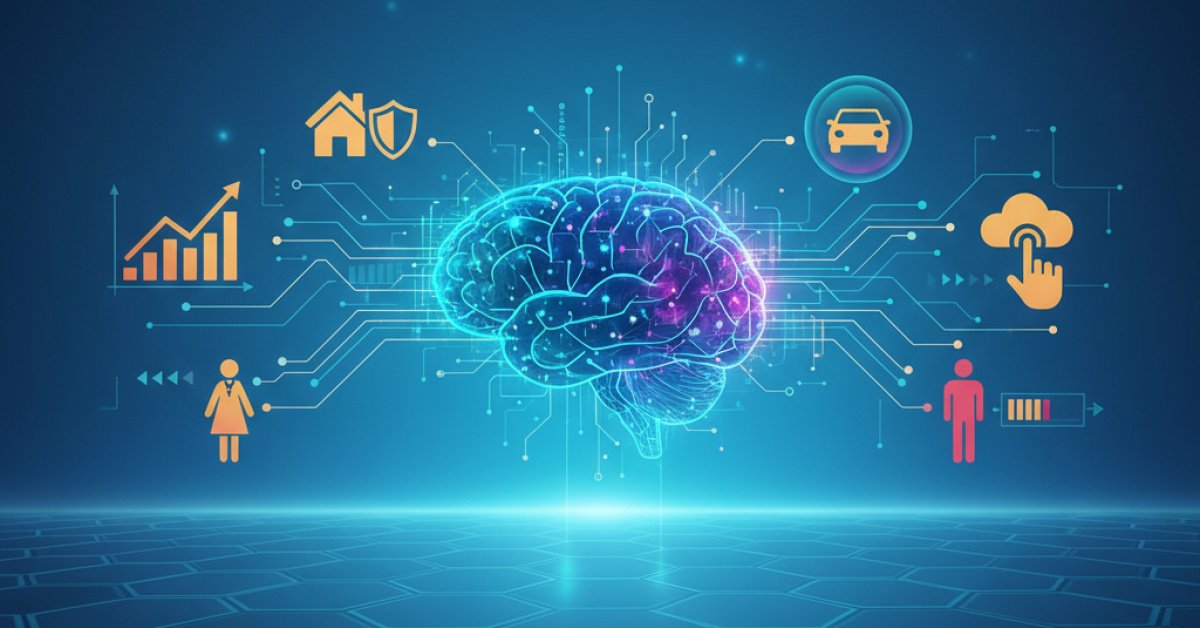
But something funny happened over the last decade. Nvidia quietly became one of the most important companies on the planet. They’re not just powering video games anymore; they're the engine behind artificial intelligence, self-driving cars, and massive data centers.
So, why on earth are we talking about a tech company on an insurance blog?
Because the way Nvidia grew up holds a fascinating, and I think critical, lesson for the insurance industry. It’s a lesson about what it takes to thrive when the world gets complicated. And let’s be honest, our world of risk is getting more complicated by the day.
From Pixels to Predictions: What’s the Connection?
Here’s the thing about Nvidia. They didn’t just build one generic, all-purpose chip and hope it worked for everyone. They went deep. They obsessed over the specific needs of different fields and built highly specialized tools for each one.
- For gamers? They created chips that could render light and shadow with mind-blowing realism.
- For AI researchers? They developed a whole platform (you might have heard of CUDA) that became the gold standard for training complex algorithms.
- For car manufacturers? They built systems that could process a firehose of sensor data to help a car see the world around it.
They didn't just skim the surface. They became experts in gaming, AI, and automotive tech. They learned the language, understood the unique challenges, and built solutions from the ground up. They mastered multiple industries.
Now, let's bring it back to our world. For a long time, insurance has been pretty good at being a generalist. We got really, really good at understanding a handful of core risks—fire, theft, basic liability. And for a hundred years, that worked just fine. But the risks we’re facing today aren’t so simple anymore.
When General Knowledge Just Isn't Enough
Think about the biggest challenges on the minds of business owners and families right now. They’re not just worried about a tree falling on the roof. They’re worried about things like:
- A massive cyberattack that shuts down their entire operation and holds their data for ransom.
- A supply chain disruption on the other side of the world that halts production for months.
- Wildfire, flood, or hurricane risks that seem to be getting more intense and unpredictable every year.
A standard, off-the-shelf insurance policy feels a bit like trying to use a basic hammer to perform heart surgery. The tool just isn't specialized enough for the job. You can’t effectively underwrite a complex cybersecurity risk if you don’t deeply understand network architecture, malware, and social engineering. You can’t properly price climate-related flood risk using historical data from 30 years ago.
The old model of broad, generalized knowledge is hitting a wall. The world is getting more specialized, and the risks are, too. To protect people effectively, we have to follow suit.
So, How Can Insurance "Be More Nvidia"?
This isn't about insurance companies starting to manufacture computer chips, of course. It’s about a fundamental shift in mindset. It’s about moving from being a generalist to a collection of deep specialists.
Here’s what that could look like.
Go Deep, Not Just Wide
Imagine an underwriter who specializes in renewable energy projects. They don’t just know about property risk; they understand the specific engineering vulnerabilities of wind turbines and the financial risks of solar panel degradation.
Or picture a claims adjuster for a cyber policy who is a former white-hat hacker. When a client gets hit with ransomware, this person doesn't just process a claim. They can help navigate the technical crisis, understand the forensics report, and advise on recovery because they’ve been in the trenches.
This is the future. It’s about building teams with genuine, domain-specific expertise. We need people who live and breathe the industries they’re trying to insure.
Offer the Whole Package, Not Just the Policy
Nvidia doesn't just sell you a chip and say, "Good luck!" They provide the software, the development kits, and the ongoing support that allows people to actually use that chip to do amazing things. They provide the whole ecosystem.
Insurance needs to think the same way. The product isn't just the piece of paper that promises to pay a claim. The real product is resilience.
This means offering services that help prevent the loss in the first place. Think pre-breach cybersecurity consulting, real-time weather alerts for agricultural clients, or supply chain mapping to identify vulnerabilities before they become a crisis. It’s about becoming a true risk partner, not just a financial backstop.
Embrace the Data
At its core, Nvidia is a data processing company. Their entire business is built on creating tools that can make sense of massive, complex datasets. Insurance, too, is fundamentally a data business. But we have to get smarter about how we use it.
Relying solely on historical loss data is like driving while looking only in the rearview mirror. It tells you where you’ve been, but not where you’re going. To tackle emerging risks, we need to lean into predictive analytics, AI, and machine learning to model what could happen, not just what has happened.
What This All Means for You
You might be reading this and thinking, "This is interesting industry talk, but how does it affect me?" It actually affects you a lot.
When your insurer has deep expertise in your specific world, you get a partner who truly gets it.
- The coverage is better. It’s tailored to the real risks you face, not just a generic template.
- The pricing is fairer. It’s based on a sophisticated understanding of your specific situation, not just lumping you into a broad category.
- The help is more valuable. When things go wrong, you have someone on your side who can provide meaningful guidance to help you recover, not just cut a check.
This shift is about moving away from a one-size-fits-all product and toward a truly customized service. It’s about recognizing that insuring a local coffee shop is fundamentally different from insuring a biotech startup, and both deserve an approach that respects that complexity.
Ultimately, the lesson from Nvidia is one of focus and depth. In a world of ever-evolving challenges, the future belongs to those who do the hard work of becoming true experts. For the insurance industry, that means our journey is just beginning. And it's a journey that will lead to a stronger, more resilient future for all of us.