Have you noticed how conversations about AI have gone from "that's cool" to "wait, what are the risks?" in what feels like five minutes? It's moving at lightning speed, and honestly, it’s leaving a lot of us in the business and insurance world scrambling to keep up.
One minute we're talking about using AI to write emails faster, and the next we're hearing about AI-powered cyberattacks that are scarily sophisticated. It's a classic "Wild West" scenario. The technology is booming, but the rules, regulations, and safety nets are lagging way behind.
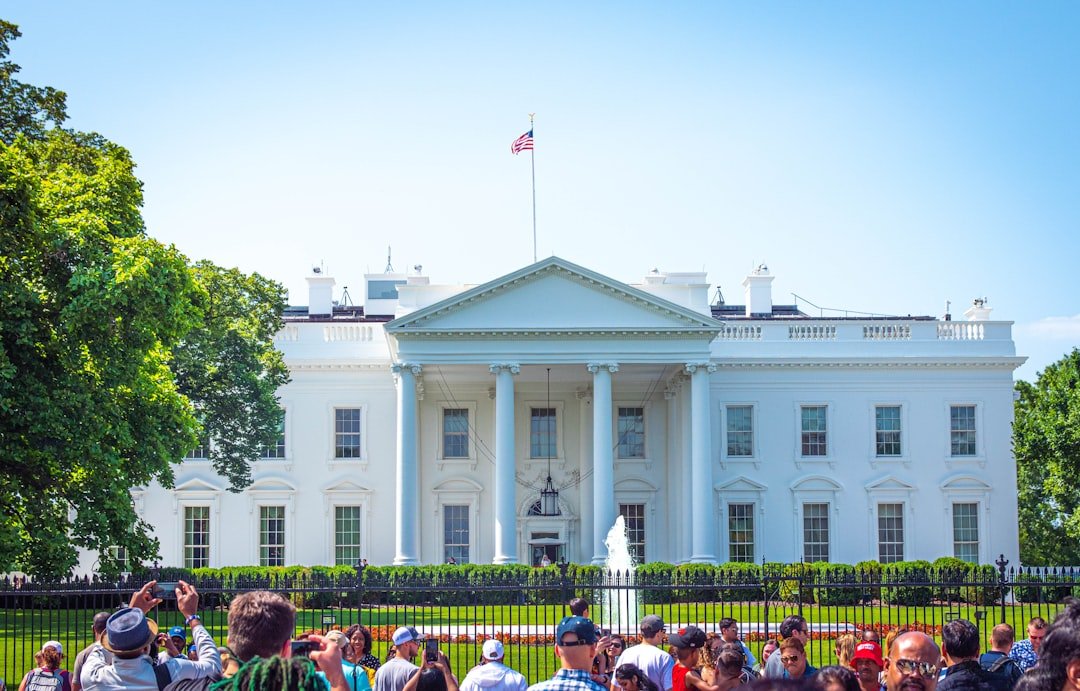
Well, it looks like the sheriff might finally be riding into town. News just dropped that the White House is working on an executive order to get a handle on AI security. And if you have a business or a cyber insurance policy, this is something you’ll want to pay close attention to. This isn't just tech news; it's about to become a major factor in how we manage and insure digital risk.
So, What's the Government Actually Planning?
Let's break this down into simple terms. According to a top economic advisor, the plan is to create a "vetting system" for new, powerful artificial intelligence models before they're widely released.
Think of it like the FDA for food and drugs. You can't just cook up a new medicine in your garage and start selling it at the corner store, right? It has to go through rigorous testing to make sure it's safe and effective. The White House is thinking about a similar concept for AI.
The goal is to have a process where these complex AI systems are checked for potential security flaws. Can they be easily manipulated? Could a bad actor use them to launch a massive cyberattack? Could they be used to cripple critical infrastructure? These are the kinds of questions they want to answer before the AI is connected to sensitive business and government networks.
It’s a proactive step, and frankly, one that many in the cybersecurity field have been calling for. We can't just keep building more and more powerful tools without building some guardrails around them.
The New Breed of AI-Powered Cyber Risks
This whole conversation is happening for a very good reason. The risks we're facing are evolving. For years, cyber insurance has been dealing with threats like ransomware, data breaches, and phishing attacks. But AI is pouring gasoline on that fire.
We're not just talking about more emails with typos. We're talking about:
- Hyper-realistic Phishing: AI can now craft perfectly written, personalized emails, texts, and social media messages that are incredibly difficult to spot as fakes. They can mimic the writing style of a CEO or a colleague with terrifying accuracy.
- Deepfake Social Engineering: Imagine getting a video call from your boss telling you to wire money to a new vendor. It looks like them, it sounds like them... but it's a deepfake. This is already happening.
- AI-Generated Malware: Hackers can use AI to write malicious code that constantly changes and adapts, making it much harder for traditional antivirus software to detect.
- Hijacking AI Models: What if a company's own AI tool—say, one used for customer service or data analysis—gets compromised and used against them?
Insurers are watching this with wide eyes. Underwriting cyber risk used to be about checking for firewalls and employee training. Now, they have to ask, "How is this company using AI, and what are they doing to secure it?" It's a whole new, and very complicated, can of worms.
How a "Vetting System" Could Shake Up Cyber Insurance
Okay, this is where it gets really interesting for us. If the government starts putting a "seal of approval" on certain AI models, you can bet the insurance industry will take notice. It could change the game in a few key ways.
For the Insurers
For underwriters, this could be a godsend. Right now, assessing the risk of a company's AI usage is a bit of a guessing game. But a federal vetting process creates a baseline.
Suddenly, underwriting questions might start to look like this:
- "Are the AI tools you use on the government's approved list?"
- "Can you provide certification that your AI models have passed the federal vetting process?"
An AI model that's been vetted could be seen as a lower risk, just like a building with a modern sprinkler system. It gives insurers a tangible factor to use when calculating premiums. Those who use certified, "safer" AI might get better rates. Those using unvetted, experimental, or homegrown AI systems? They might be looking at higher premiums or even exclusions.
For You, the Business Owner
This means that your choice of technology could soon have a direct impact on your insurance costs and even your ability to get coverage.
It's not hard to imagine a future where using a non-vetted AI tool is a major red flag on a cyber insurance application. It could become a standard part of due diligence. You'll need to prove to your insurer that you're not introducing a massive, unknown risk into your operations.
This adds a layer of complexity for businesses, for sure. But it also provides a clearer path forward. Instead of every company trying to figure out AI safety on its own, there would be a federal standard to aim for.
Let's Be Honest, This Won't Be Easy
Now, creating a vetting system for something as complex and fast-moving as AI is a monumental task. It’s not like checking if a toaster is going to catch fire.
There are some real challenges here. How do you define "safe" for an AI? A model that's secure today could have a new vulnerability discovered tomorrow. The technology is constantly evolving. A government process could move too slowly and end up stifling the very innovation it's trying to protect.
There's a real debate to be had about finding the right balance between security and progress. But the fact that the conversation is happening at this level shows just how seriously this is being taken.
The bottom line is that the wild, unregulated days of AI development are numbered. This proposed executive order is a clear signal that standards are coming. And whenever new standards are introduced, the insurance industry adapts.
For now, it's a "watch this space" situation. But don't be surprised if, in a year or two, your cyber insurance renewal form has a whole new section dedicated to Artificial Intelligence. It's the next frontier of risk, and we're all just trying to draw the map as we go.