Let’s talk about that uncomfortable feeling. You know the one. The little whisper that makes you wonder if you’re being treated fairly at work.
Imagine you find out the person in the office next to you—doing the exact same job, with the same level of experience—is getting paid significantly more than you are. What goes through your head? You’d probably feel a mix of anger, confusion, and betrayal. And you'd want answers.
This isn't just a hypothetical situation. It’s the very real scenario at the heart of a lawsuit filed in London against banking giant JPMorgan Chase. An analyst, Saidya Najeeb, is suing the company, alleging she was paid less than a male colleague for doing the same work.
But here’s where the story takes a turn that we in the insurance world see all the time. When she raised the issue with her managers, she claims things got worse. Instead of a resolution, she says she faced retaliation. And now, it’s all playing out in court.
From Headline to Your Bottom Line: Why This Matters
It's easy to see a headline like "JPMorgan Sued" and think, "Wow, that's a problem for the big guys." But I'm here to tell you, this story is a flashing red light for businesses of every single size, from a five-person startup to a 500-person firm.
Why? Because this lawsuit is a textbook example of the exact kind of risk that Employment Practices Liability Insurance (EPLI) was created to handle.
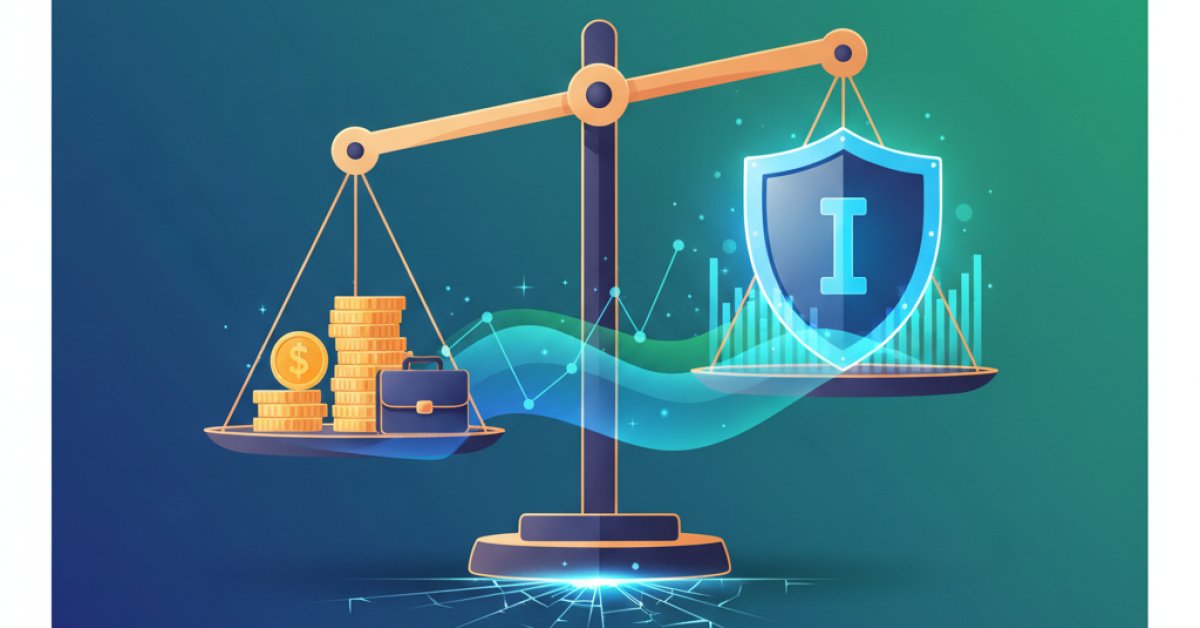
Think of EPLI as a specialized shield for your business. It’s not for slip-and-falls or property damage. It’s for the human side of your business—the messy, complicated, and often emotional issues that can arise between you and your employees. When an employee sues you for things like discrimination, wrongful termination, or harassment, EPLI is what pays for your defense lawyers and, potentially, any settlements or judgments.
Let's Break Down the JPMorgan Case Through an EPLI Lens
To really get it, let's look at the two core claims in this lawsuit. They are a classic one-two punch that we see over and over again in these types of cases.
Claim #1: The Pay Gap (A Discrimination Allegation)
At its core, Ms. Najeeb's first claim is about discrimination. She's alleging that she was paid less based on her gender.
This is a classic EPLI trigger. These policies are designed to respond to allegations of discrimination based on a whole host of protected classes, including:
- Gender
- Race or ethnicity
- Age
- Religion
- Disability
- And more, depending on state and local laws
When a lawsuit like this is filed, the first thing a company does is call its lawyers. And let me tell you, those legal bills start climbing from the very first phone call. Without EPLI, you're paying for every single one of those hours out of your own pocket. With an EPLI policy, the insurance carrier steps in to manage and pay for that defense. It's a financial lifesaver.
Claim #2: The Retaliation (The Problem That Makes Everything Worse)
Now, this is the part that every business owner and manager needs to pay close attention to. Ms. Najeeb doesn't just claim she was underpaid; she claims she was punished for speaking up about it.
This is called retaliation, and it’s absolute dynamite in a courtroom.
Here's a hard truth: sometimes the original discrimination claim can be tough to prove. Maybe the company has justifications for the pay difference, and it becomes a "he said, she said" battle. But retaliation? That can be much, much easier for an employee to prove.
If an employee raises a concern in good faith, and then suddenly their performance reviews get worse, they get passed over for a promotion, or they're given the cold shoulder—that can be seen as retaliation. It’s like getting a speeding ticket and then getting a second, much bigger ticket for arguing with the officer. The second offense is often clearer and carries a heavier penalty.
Retaliation claims are a major driver of EPLI losses for a reason. They turn one problem into two and dramatically increase the potential cost of a lawsuit.
"But We're a Good Company! We Don't Do That."
I hear this all the time. And I believe it! Most business owners are good people who want to do right by their employees. You have an HR handbook. You promote a positive culture. You think you’re safe.
But here’s the thing: you don’t have to be a bad person to get hit with an EPLI claim. A simple miscommunication, a manager having a bad day, or a comment that was taken the wrong way can be enough to spark a lawsuit. You can do everything right and still find yourself on the receiving end of a legal complaint.
And the cost isn't just financial. A public lawsuit can damage your company's reputation, hurt employee morale, and distract you from actually running your business. The JPMorgan story is now in the news worldwide. Could your business withstand that kind of scrutiny?
That's the real value of EPLI. It’s not just about paying for lawyers. It’s about having a team of experts on your side to help you navigate the storm, manage the process, and protect the business you've worked so hard to build.
So, when you see a story like this one, don't just shake your head at the big banks. See it for what it is: a very real, very human story that could happen anywhere. It’s a reminder that protecting your business isn't just about locking the doors at night; it's about protecting yourself from the risks that walk in and out of those doors every single day.